
Economy and Society

From Erasure to Engagement: A Study into Delhi’s Urban Landscape 

What is the purpose of a policy that does not resonate with the realities of the people it is made for?  The two faces of Delhi are evident to anyone who has found themselves stuck in the city’s traffic. On one hand, there are glossy shopping malls and wide roads that promise a ‘world-class’ city. […]

Data Democracy in India: Navigating the Paradoxes of Privacy, Inclusion, and Transparency

Introduction The Monsoon Session of Parliament in 2025 revisited pivotal concerns at the intersection of data governance, electoral representation, as well as citizen rights, although indirectly. This year’s ‘Special Intensive Revision (SIR)’ of electoral rolls in Bihar represents a little more than an administrative exercise—it has become quite a litmus test for how the world’s […]

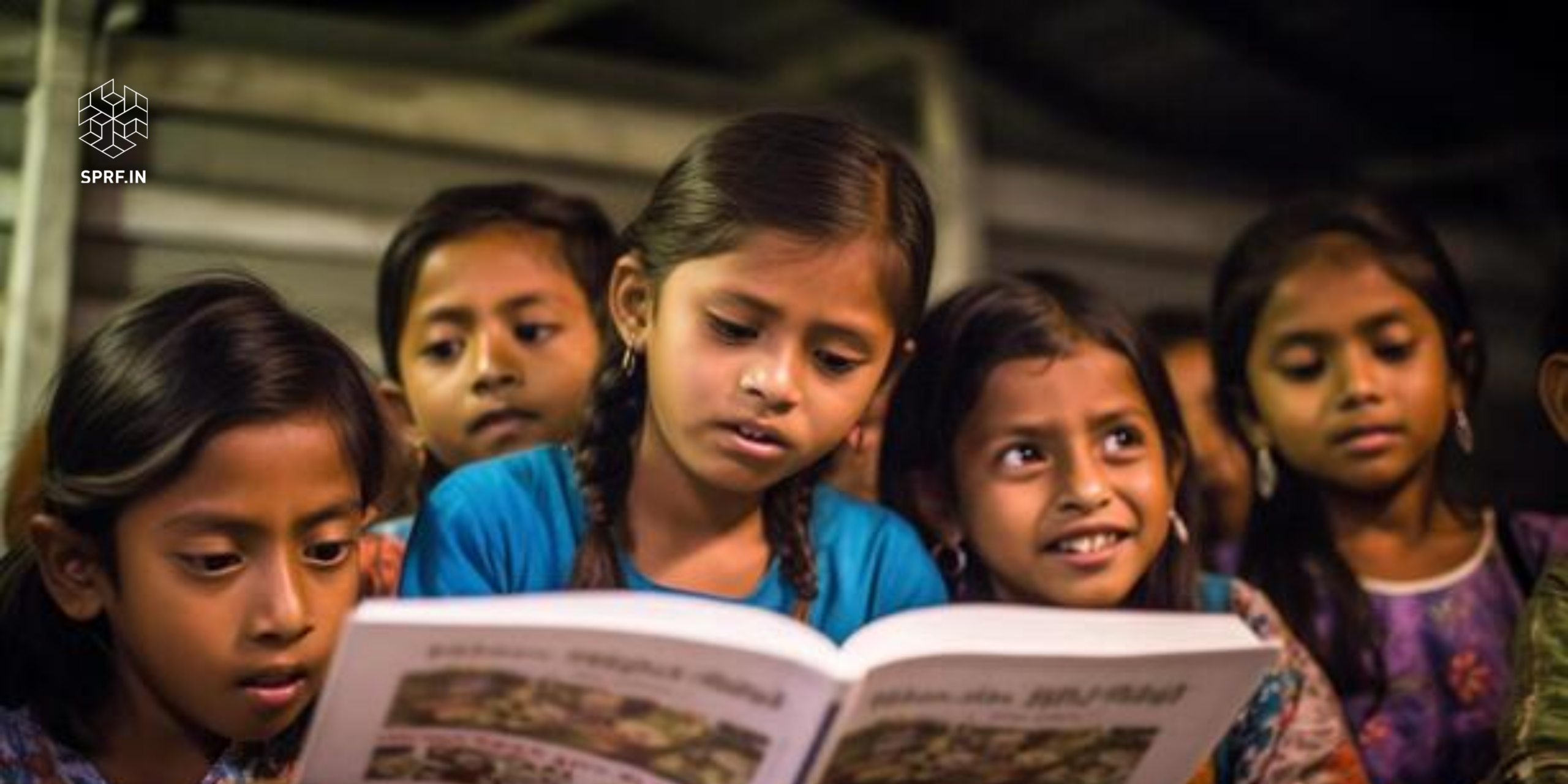
Breaking Barriers to Education: Persistent Issue of Out-of-School Children in Keonjhar, Odisha

Abstract Despite constitutional guarantees and targeted policies like the Right to Education (RTE) Act, a significant number of children in India remain out of school, either as dropouts or never enrolled, particularly among socioeconomically and geographically marginalised populations. This article examines the structural and socioeconomic factors that influence out-of-school children in Keonjhar district, Odisha, where […]

Up in the Air! Policy Overview of the Indian Drone Industry

Introduction Perhaps nothing exemplifies the delicate balances that are crucial for successful growth of any industrial sector than the Indian drone industry, today. Caught between the disruptions and innovations of the fourth industrial revolution, risk and possibilities of an emerging nation in an increasingly globalizing world, policy regulation and liberalization, and, economic growth and inclusion—the […]

Did the PLI Reap what it Sowed? An Intermediate Case Study of the Textile Sector

Introduction As India grapples with leveraging its manufacturing prowess to fuel its growth story with challenges emerging on the fronts of international trade, a closing demographic window, concerns of premature deindustrialization, etc., an analysis of what has been called as her de facto Industrial Policy—Production Linked Incentives, announced in 2020—becomes imperative (Dhar, 2024). Launched to […]

Between Strikes and Precarity: Workers Agency and Productivity in Industrial India

1. Introduction  As India witnessed another major general strike in July, allegedly consisting of 25 crore workers, called by the leading central trade unions in pursuance of a number of demands against the central and state governments, a concern over their ‘presence’, and more so of the efficacy of their ‘tactics’ is renewed (The Wire […]

India’s Shifting Demographics and the Challenge of Elderly Care

India’s demographic dividend—having more working-age than dependent population—provides for a significant opportunity for economic growth. The median age of the country stands at 28.4 years, which is significantly lower than countries like China, Japan, and the USA, which stand at 39.6, 49.4, and 38.3 years respectively (United Nations, n.d.). India’s current working age (15 to […]

The Income Tax Act of 2025: New or Old Wines?

This year, in the monsoon session of the Parliament, the Income Tax (No.2) Bill was passed by both the Lok Sabha and Rajya Sabha and stands to come into force from 1st April, 2026 onwards. Reviewing the existing Income Tax Act of 1961 was announced in the budget session of 2024 by the current finance […]

Garments and Grievances: New Labour Institutions?

Introduction: Contexts and Contingencies The discourse around one of the key labour issues in India, today, adequately typifies a major objective in writing this paper. This relates to the ongoing conflict between the central government’s attempt to notify the four new Labour Codes, which were announced in 2020, and have been met with consistent protests […]