Can Conditional-Cash Transfers Help Combat Child Labour?

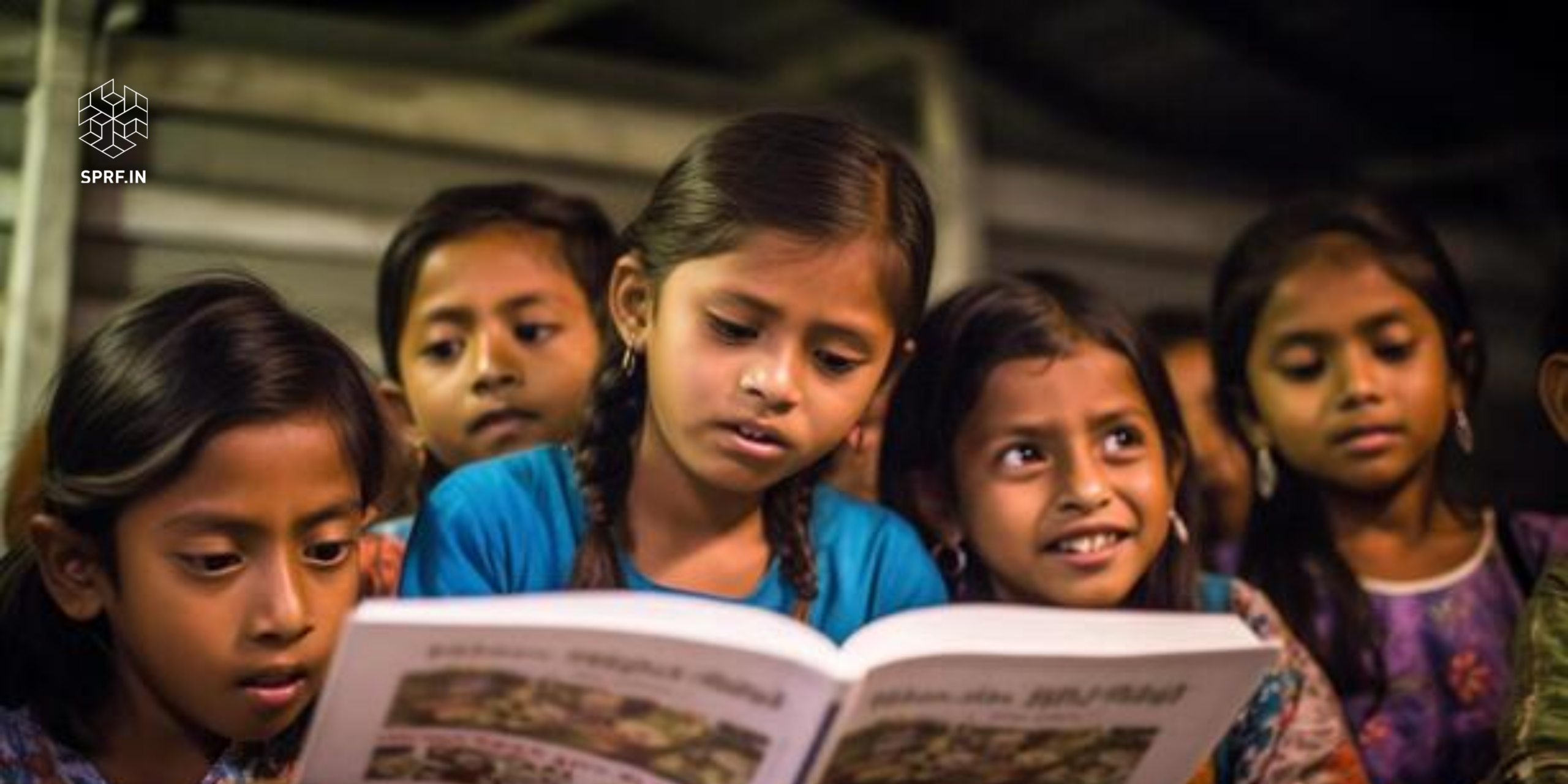
Child labour involves the engagement of individuals aged five to fourteen in work, a range ostensibly banned by Indian law, and remains a pervasive issue. India has the highest num- ber of child labourers globally, with an estimated 11.7 million children engaged in hazardous occupations and processes, constituting 4.5% of the children in the 5-14 age group (National Census Survey, 2011). Increases in child labour post the COVID-19 pandemic underscore the insidious side of domestic and global supply networks. This issue brief explores the persistent challenge of child labour in India and scrutinises the legislative framework, partic- ularly for adolescents engaged in non-hazardous work. The latter part of the brief explores Conditional Cash Transfer (CCT) programs as potential solutions through a brief review of CCT schemes in India and their impact on incentivizing education to reduce child labour.


Default Author Image

Neha Maria Benny

Found this post insightful? Share it with your network and help spread the knowledge.

Suggested Reads

Challenges with the Implementation of the National Education Policy 2020

Introduction The National Education Policy 2020 was introduced about six years ago, replacing the 1986 policy, and is now past the nascent stage of preparation. NEP 2020 emphasized a big shift in early childhood education, introduced a new school structure, and intended to make learning multidisciplinary and flexible.  As the policy moves out of its […]

2030 Will Not Fail for Lack of Funds, but for Lack of Priorities

The year 2030 was once envisioned with hope and anticipation. The global consensus on the Sustainable Development Goals (SDGs) carried the expectation of significant improvements in human development, reflected in greater equity, reduced poverty, and improved quality of life, fostering optimism that the world would become a more just and equitable place. As we approach […]

The VB G RAM G Bill and the Future of Rural Employment Governance in India

Introduction The Indian state’s role and responsibility in ensuring rural workers’ livelihoods have been revived with the introduction of the VB G RAM G Bill, which was prompted by the issue of the MNREGA program facing rollout gaps, wage non-paying delays, pressure typified by actual allocation levels, as well as requests for increased administrative oversight over […]

Why do Najafgarh and Shahdara Dominate Yamuna’s Pollution?

Introduction The Yamuna’s pollution is largely contributed to by untreated sewage. It has been largely reported that the Najafgarh and the Shahdara drain contribute significantly to the pollution of the river along its Delhi stretch. The Najafgarh drain, which runs across the southwest part of the city, ultimately meets the river at Wazirabad. The Najafgarh […]

Case of the Great Indian Bustard

Introduction For many decades, in the quiet grasslands of western India, the Great Indian Bustard (GIB) has been disappearing. The GIB is a large bird of the bustard family, also known as one of the heaviest flying birds in the world.  The GIBs are tall omnivorous birds with long legs and distinctively long necks that […]