
Governance

Integrating Non-Conventional Data Sources for Evidence-Based Policymaking and Better Governance in India 

Data is one of the fundamental pillars of evidence-based decision-making, fostering trust through transparency, which ultimately leads to better governance in a country. While developed economies have already established a robust national statistical ecosystem to ensure a steady flow of data within their countries, developing nations still struggle to generate even the most basic statistical […]

संकट में है 130वां संविधान संशोधन विधेय

पांच वर्ष से अधिक सजा वाले मामलों में विचाराधीन कैदी के रूप में तीस दिन की जेल काटने पर मंत्री पद गंवाने का 130वां संविधान संशोधन विधेयक अपने शैशव काल में ही मुसीबतों से घिर गया है। मानसून सत्र के अंतिम दिन लाया गया यह विधेयक संसद की संयुक्त समिति को सौंप दिया गया था […]

Navigating India’s AI Governance Framework: Future Directions in #AIforAll

From healthcare to education, Artificial Intelligence hype has covered every sector, with some calling it the greatest breakthrough since splitting the atom (Price, 2023) while others leveling up their research on existential threats due to AI (Future of Life Institute, 2023). Whether or not AI is worth the hype, constant and steady progress is being […]

राष्ट्रपति के रेफरेंस पर सुप्रीम कोर्ट का सवाल- राज्यपाल अपने कर्तव्य में विफल रहते हैं तो क्या चुप रहा जाए?

सुप्रीम कोर्ट ने विधेयकों को मंजूरी देने के संबंध में राष्ट्रपति के संदर्भ पर फैसला सुरक्षित रखते हुए पूछा कि यदि राज्यपाल जैसे संवैधानिक पदाधिकारी अपने कर्तव्यों का निर्वहन करने में विफल रहते हैं तो क्या वह निष्क्रिय बैठ सकता है।   सीजेआई बीआर गवई, जस्टिस सूर्यकांत, विक्रमनाथ, पीएस नरसिम्हा और एएस चंदुरकर की संविधान पीठ […]

New Designs, Nebulous Mechanisms: The National Sports and Governance Act

The enactment of the National Sports Governance Act, 2025 is a milestone in India’s ongoing effort to modernise sports administration. Over the years, multiple frameworks—the 1984 Sports Policy, the 2011 Sports Code, and the 2017 draft Good Governance Code—have sought to address recurring challenges of transparency, tenure limits, and dispute resolution. The 2025 Act consolidates […]

The Income Tax Act of 2025: New or Old Wines?

This year, in the monsoon session of the Parliament, the Income Tax (No.2) Bill was passed by both the Lok Sabha and Rajya Sabha and stands to come into force from 1st April, 2026 onwards. Reviewing the existing Income Tax Act of 1961 was announced in the budget session of 2024 by the current finance […]

बिहार के वोटर्स के सिर पर मंडराता एसआईआर का खतरा

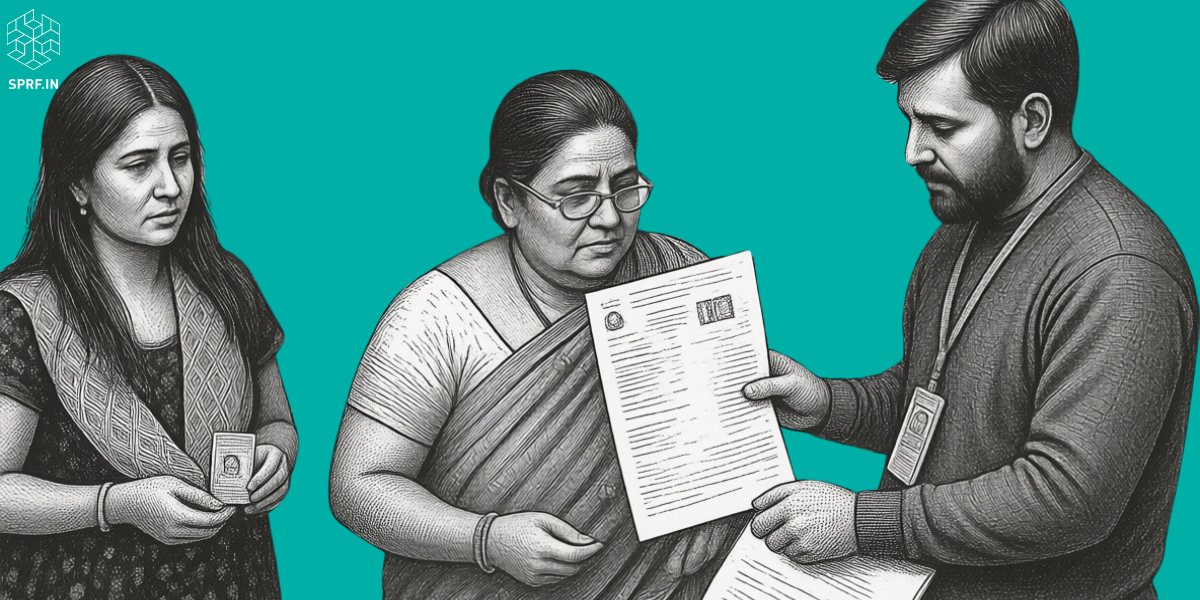
बिहार विधान सभा के इस साल के अंत में होने वाले चुनाव से लगभग चार माह पहले मतदाता सूची के विशेष गहन पुनरीक्षण(एसआईआर) के निर्वाचन आयोग के आदेश ने लोकतंत्र के प्रहरियों को हैरत में डाल दिया। मतदाता सूची में अपना नाम शामिल करने की एसआईआर की शर्तों ने बिहार के साथ-साथ देश की बहुत […]

Women’s Healthcare: Budgeting and Policy Insights from Maharashtra and West Bengal

Introduction Throughout India’s history, both pre- and post-independence, Maharashtra and West Bengal have been leaders in advancing social reforms for women. Maharashtra’s contributions include the pioneering efforts of Jyotiba Phule and his wife Savitribai Phule, who broke societal barriers by establishing the first school for girls in Pune. Reformers like Dhondo Keshav Karve further pushed […]

Gender Budgeting and Electoral Politics in India: From Welfare to Empowerment

Introduction Gender-responsive budgeting (GRB) has emerged as a vital tool in addressing gender disparities, by embedding gender considerations into fiscal policies and transforming resource allocation for women-centric programs. Introduced in India in 2005-06, GRB marked a shift from the “Women in Development” approach to a broader “Gender and Development” perspective. The National Institute of Public […]

Sexual Autonomy of Women in Rural India: Assessing SDG 5.6.1

Unfortunately, around 800,000 of these abortions are unsafe, contributing significantly to maternal mortality, despite the legal framework established by the Medical Termination of Pregnancy (MTP) Act. This highlights the persistent barriers rural women face in accessing safe sexual health services, particularly due to inadequate healthcare infrastructure compared to urban areas. This indicator is a critical measure of gender equality and women’s empowerment, particularly in the context of sexual and reproductive health rights .