Environment and Energy

The Growing Cost of Fast Fashion and Synthetic Clothing

Introduction  India’s textile industry is 5,000 years old and remains the “spinning wheel” of the country’s industrial and economic growth. As a global leader in fibre-to-fashion, India accounts for 4 per cent of global textile and apparel trade (Department of Textiles, Government of Maharashtra, and Primus Partners, 2025). Behind those numbers lies a reality of […]

Forest-Dwelling Indigenous Communities, Land Rights, and Conflicts

Forest-dwelling communities share a deep relationship with nature, but more than that, they bear witness to history and provide insight into the management of forests. According to the State of Forests Report of 2019, approximately 300 million people are dependent on forests in India (PIB Delhi, 2023). The romanticisation of indigenous, forest-dwelling communities often limits […]

Integrated Solutions for Interconnected Challenges: Building Climate Resilience in India

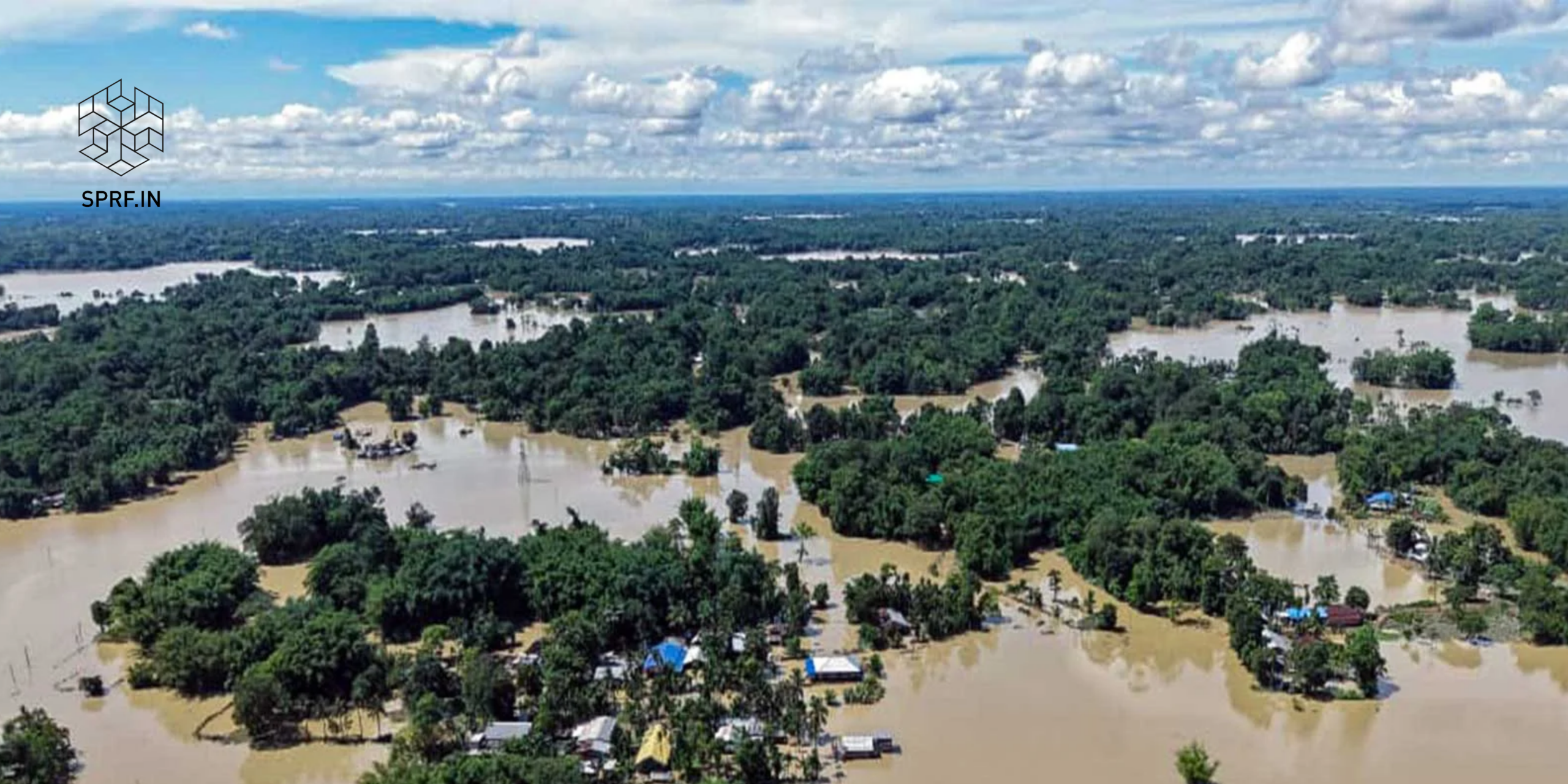
Rising global temperatures are intensifying climate hazards at an unprecedented rate. In 2025, the global annual average temperature increase reached 1.44 ± 0.09 °C (2.60 ± 0.17 °F) above the pre-industrial period, making it the third warmest year on record (Berkeley Earth, 2026). India, among the most climate vulnerable countries, experienced extreme weather events on 99 […]

High Investment, Low Impact: Assessing the Cost-Effectiveness of Delhi’s CETP Network in Yamuna Rejuvenation (2015–2025)

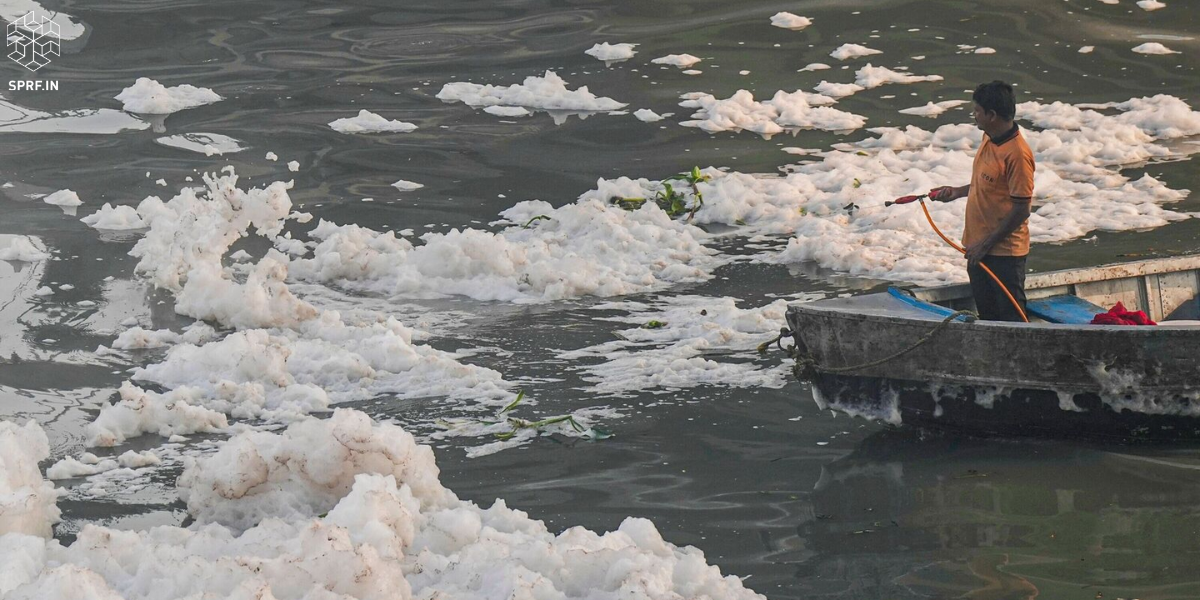
Abstract  The Yamuna River, spanning 1,376 kilometres from its source at Yamunotri to its confluence with the Ganga, faces a severe pollution crisis, particularly in its 22-kilometre Delhi stretch, which accounts for 79% of the river’s total pollution despite representing only 2% of its catchment area. Despite substantial budgetary allocations totalling ₹9,178 crores under the […]

Why do Najafgarh and Shahdara Dominate Yamuna’s Pollution?

Introduction The Yamuna’s pollution is largely contributed to by untreated sewage. It has been largely reported that the Najafgarh and the Shahdara drain contribute significantly to the pollution of the river along its Delhi stretch. The Najafgarh drain, which runs across the southwest part of the city, ultimately meets the river at Wazirabad. The Najafgarh […]

Community-Centred Approaches to Solid Waste Management in Delhi: Towards Inclusive, Sustainable Governance

Introduction Urban waste management is one of the most urgent challenges confronting India’s fast-growing metropolises, and Delhi represents the depth of this crisis. According to a recent life‑cycle assessment of Delhi’s solid waste management system, the city collects around 11,352 tonnes per day of domestic and commercial garbage, which in the absence of adequate segregation and […]

Case of the Great Indian Bustard

Introduction For many decades, in the quiet grasslands of western India, the Great Indian Bustard (GIB) has been disappearing. The GIB is a large bird of the bustard family, also known as one of the heaviest flying birds in the world.  The GIBs are tall omnivorous birds with long legs and distinctively long necks that […]

COP 30: Triple Adaptation Finance and Just Transitions

The Conference of the Parties under the United Nations Climate Change Conference met for the annual meeting in Belem between November 10 to November 22, 2025. In a time of climate uncertainty and a rapid call for urgency to recognize the urgency of climate change, the COP30 brings an opportunity for global collaboration and a […]