The Social Impact Design Fellowship is an yearly fellowship programme by SPRF India that introduces students and early-career researchers to design as a tool for research communication. Recognising that the impact of research depends not only on the quality of evidence but also on how effectively it is communicated, the fellowship equips participants with the skills to translate complex social and public policy research into accessible, engaging, and visually compelling formats.
Key Objectives:
- Build the capacity of emerging researchers to communicate research through design and visual storytelling.
- Introduce design thinking, visual literacy, and knowledge translation within research and public policy practice.
- Strengthen public engagement by making research more accessible to diverse audiences.
- Foster interdisciplinary collaboration between research and creative communication.
Mentorship
The fellowship is structured in two phases. The first phase combines research training and one-on-one research mentorship. The second phase combines design and visual communication training with one-on-one design mentorship.
Outputs
Each fellow produces two outputs: an independent research report on a social or public policy issue and a design-led communication output based on their research. Design outputs may include zines, comic strips, carousels, data visualisations, and other visual formats.
Leadership
The fellowship is led by Ariba Khan, Programmes and Communications Associate, in collaboration with Faraz Rupani, Research Lead, and Tahani Khan, Design Lead, at SPRF India.
Duration
The fellowship runs for four months.
Fellows
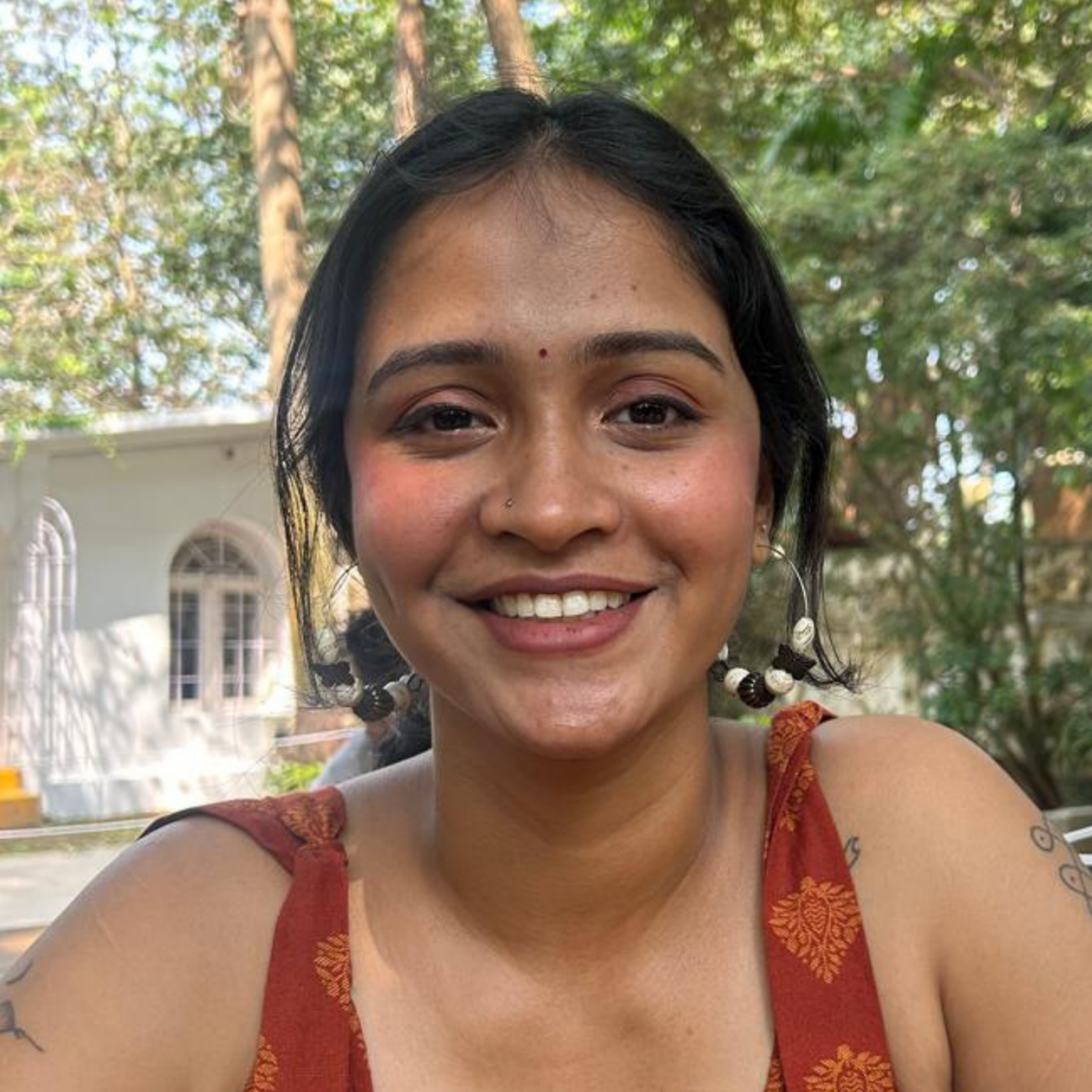
Rashmi Sridhar
Through this Fellowship, Rashmi explored how coastal erosion and the expansion of the blue economy are reshaping the lives and labour of women fish vendors in Kanyakumari. Drawing on narrative...
+MoreThrough this Fellowship, Rashmi explored how coastal erosion and the expansion of the blue economy are reshaping the lives and labour of women fish vendors in Kanyakumari. Drawing on narrative interviews with female fish vendors and conversations with activists, government officials, and community representatives, the study highlights the increasing burden of both productive and care work faced by women as access to the coast becomes more difficult and fish catches become increasingly unpredictable.
Rashmi translated these research findings into a handmade zine. Through this combination of field-based research and creative communication, the project draws attention to the need for more inclusive coastal governance that recognises women as active participants in shaping equitable and sustainable coastal futures.
-Less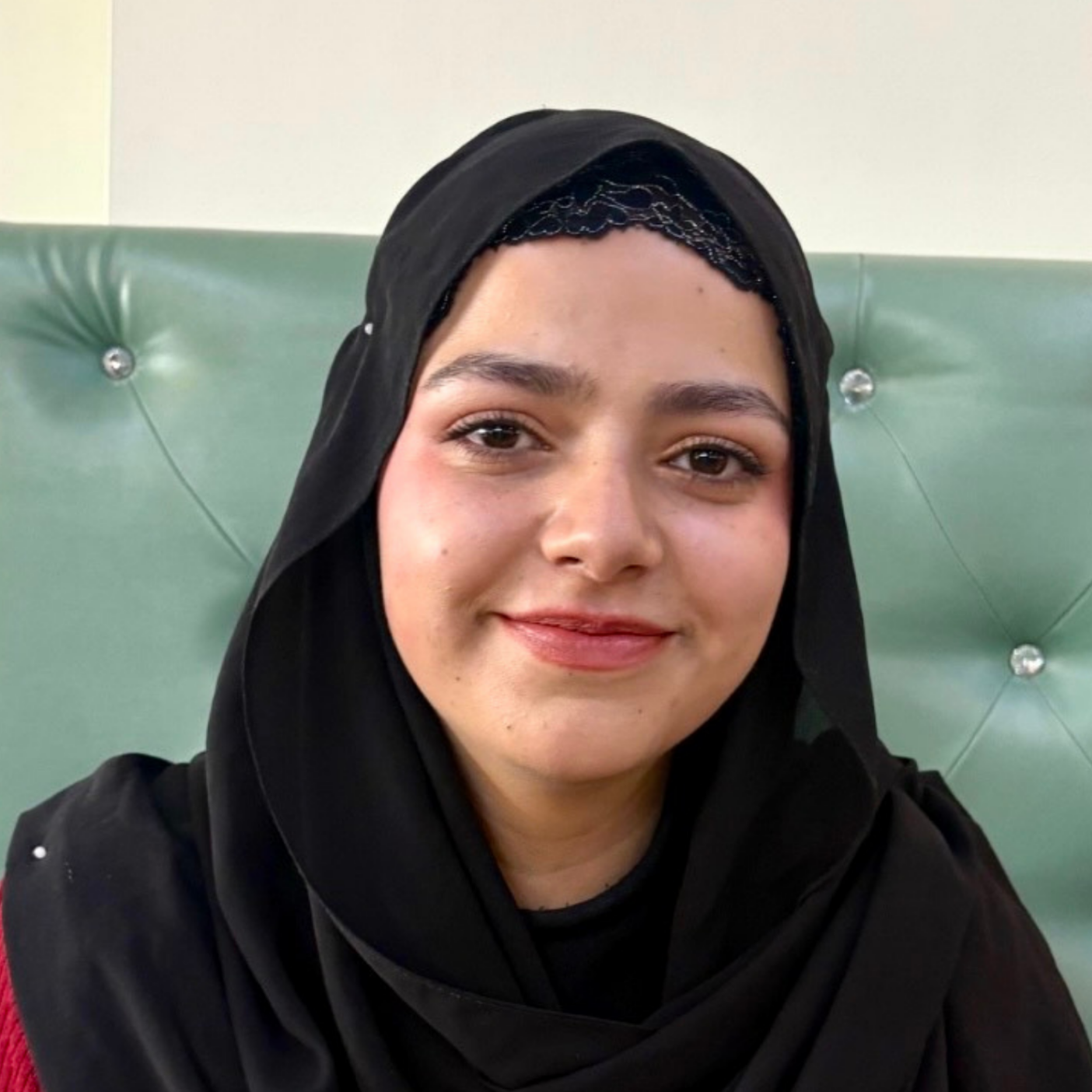
Sarah Sikandar
As part of the Fellowship, Sarah's project examined how socio-cultural taboos around menstruation affect adolescent girls and shape the uptake and implementation of menstrual health schemes in rural Kashmir, with...
+MoreAs part of the Fellowship, Sarah's project examined how socio-cultural taboos around menstruation affect adolescent girls and shape the uptake and implementation of menstrual health schemes in rural Kashmir, with a focus on Sopore. Drawing on research with school-going girls, teachers, and students, the study highlights how cultural restrictions, shame, medical mistrust, and gaps in government scheme implementation continue to affect girls’ menstrual health and education.
Sarah translated these research findings into an illustrated visual series. Through this combination of research and creative communication, the project seeks to make conversations around menstrual health more visible and encourage a broader understanding of the social and governance factors that influence girls’ well-being.
-Less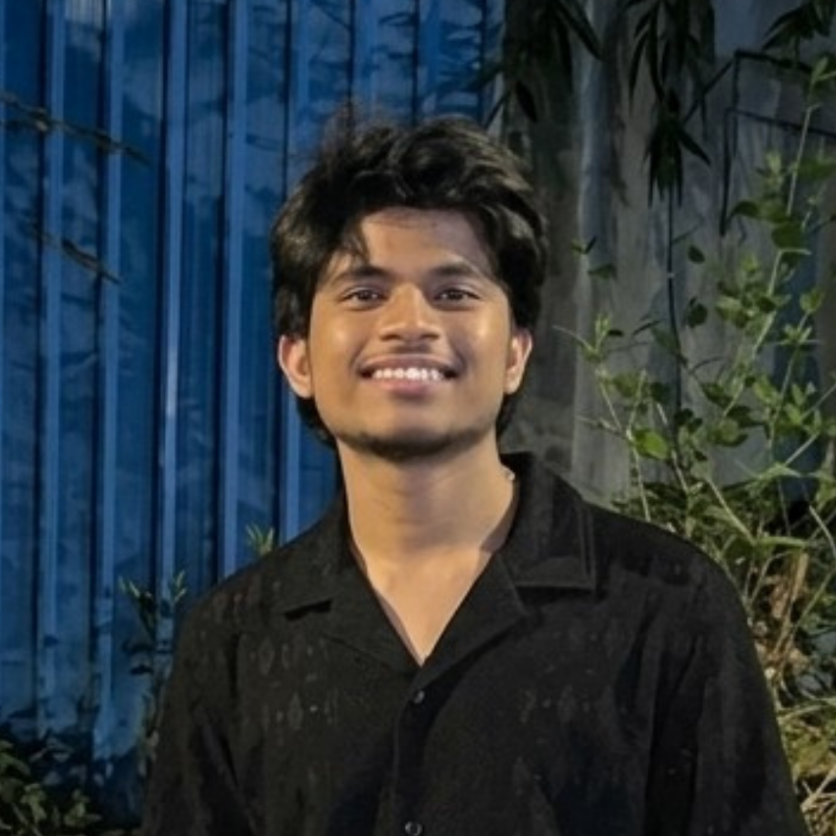
Talha Tanweer
Talha's project highlights the gap between the statutory guarantees of MGNREGA and the lived experiences of workers in Sikti Block, Araria, Bihar. Drawing on household surveys, focus group discussions, interviews,...
+MoreTalha's project highlights the gap between the statutory guarantees of MGNREGA and the lived experiences of workers in Sikti Block, Araria, Bihar. Drawing on household surveys, focus group discussions, interviews, participant observation, and government records, the study highlights persistent gaps in access to employment, timely wage payments, and basic worksite facilities. It also examines how technology-related exclusion, gendered worksite conditions, and structural inequalities affect workers’ ability to access their entitlements.
Talha translated these research findings into a carousel post. By bringing together field-based evidence and visual communication, the project highlights the gap between policy guarantees and their implementation on the ground, while drawing attention to the need for stronger accountability and more accessible social protection systems.
-Less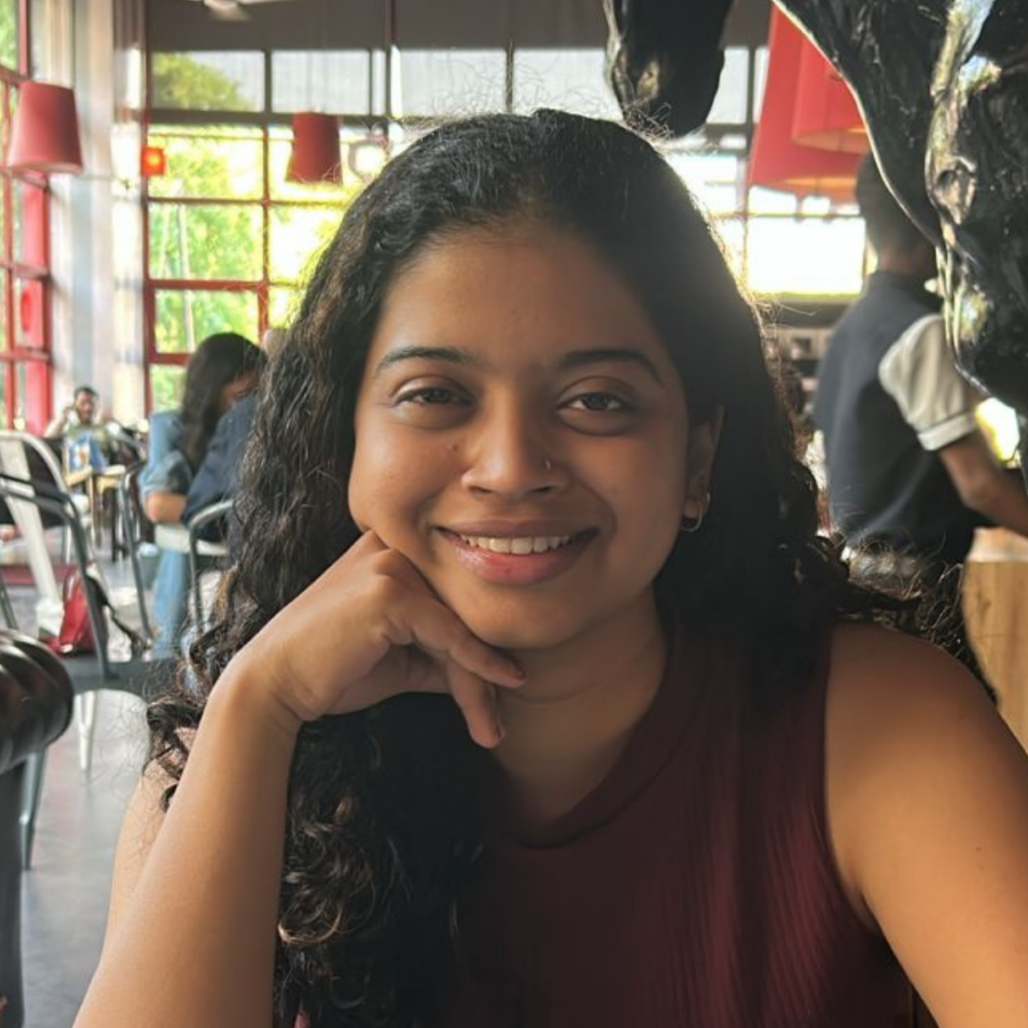
Shalmali Bhagwat
For her Fellowship project, Shalmali examined how the closure of industries for environmental violations affects contractual workers in Maharashtra and the gaps in existing labour and welfare systems that leave...
+MoreFor her Fellowship project, Shalmali examined how the closure of industries for environmental violations affects contractual workers in Maharashtra and the gaps in existing labour and welfare systems that leave them without adequate protection. Drawing on government records, data analysis, and interviews across four industrial clusters, the study highlights how workers displaced by regulatory closures often remain absent from official records and face significant barriers in accessing social security benefits.
Shalmali translated these findings into a carousel post, using visual communication to simplify a complex intersection of environmental regulation, labour rights, and worker welfare. Through this research and design output, the project brings visibility to the workers affected by environmental enforcement and highlights the need for greater coordination between environmental, labour, and welfare systems.
-Less
Kiran Kumari
Kiran’s project examines women’s knowledge, attitudes, and practices related to complementary feeding, family planning, and household hygiene in Latona village, Supaul, Bihar. The study highlights how cultural beliefs, misconceptions, misinformation,...
+MoreKiran’s project examines women’s knowledge, attitudes, and practices related to complementary feeding, family planning, and household hygiene in Latona village, Supaul, Bihar. The study highlights how cultural beliefs, misconceptions, misinformation, and household decision-making influence maternal and child health practices. It identifies gaps in knowledge around infant feeding and modern contraceptive methods, alongside challenges in maintaining safe food handling, handwashing, and children’s personal hygiene. The research underscores that improving maternal and child health requires addressing not only access to healthcare information but also the social and behavioural barriers that shape everyday practices.
Kiran translated these research findings into hand made illustrations. Through visual communication, the project aims to make essential health information more accessible and draw attention to the importance of culturally relevant health education, community engagement, and counselling by frontline health workers in promoting healthier practices.
-Less