On 21st November 2025, in the dusty playground of Kanya Madhya Vidyalaya in Patna, girls from Class 8 were forming a hesitant circle under the midday sun. The air was buzzing with students’ whispers as facilitators Anupriya, Nayna, and Anjali were unrolling the colorful Periodica flex sheet, a snakes-and-ladders game carefully spread on the ground.
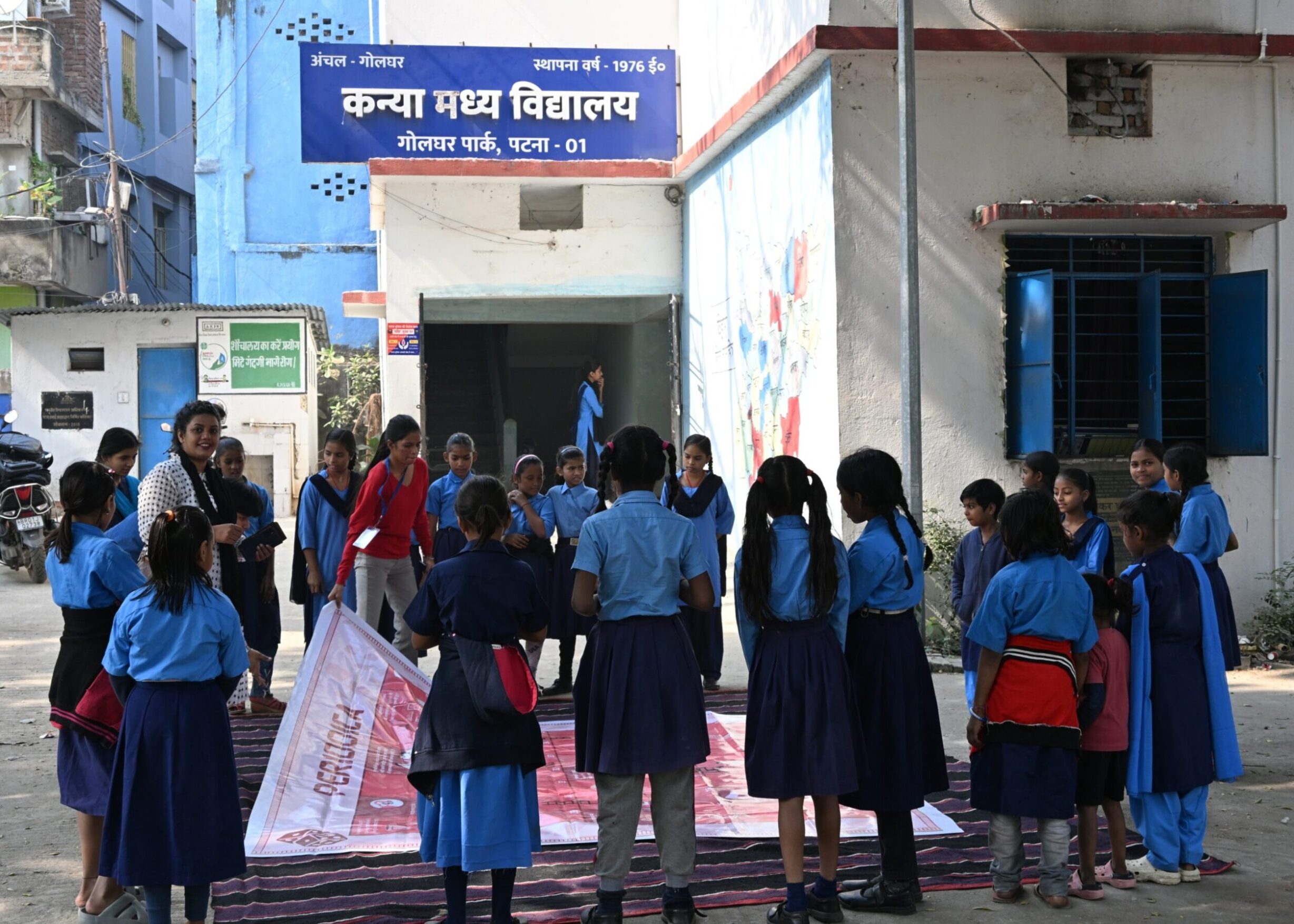
Figure 1. Facilitators setting up the Periodica game sheet at Kanya Madhya Vidyalaya, Patna.
A few minutes later, baseline survey forms were handed out to the students. As the students’ pens hovered, some were staring at the page longer than expected.
“What should we write here?” one girl whispered to her friend. Another asked softly, “Is it okay if I leave this blank?”
Writing about menstruation, especially personal experiences, felt heavy. A few students had not even begun menstruating yet, and the uncertainty was showing on their faces.
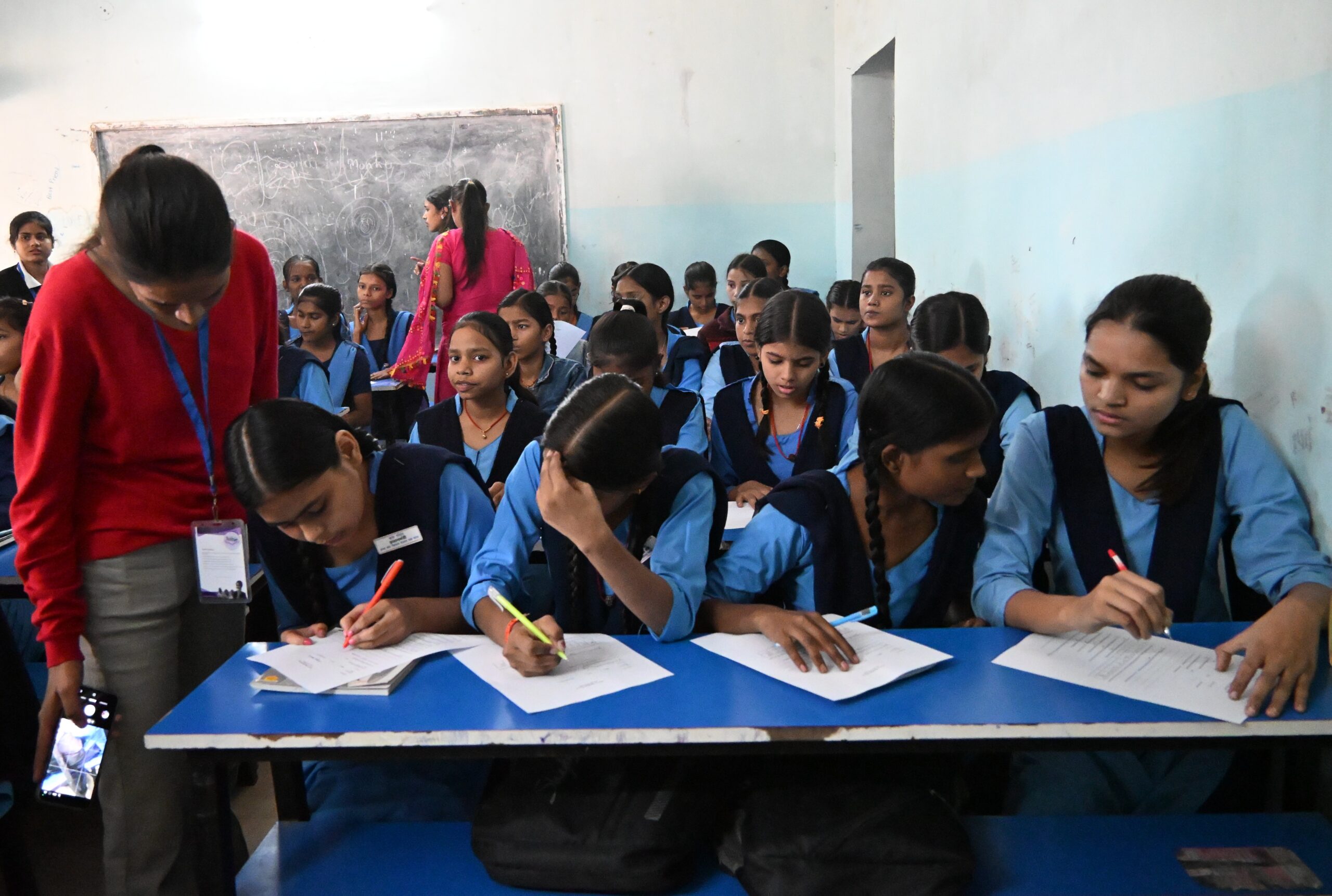
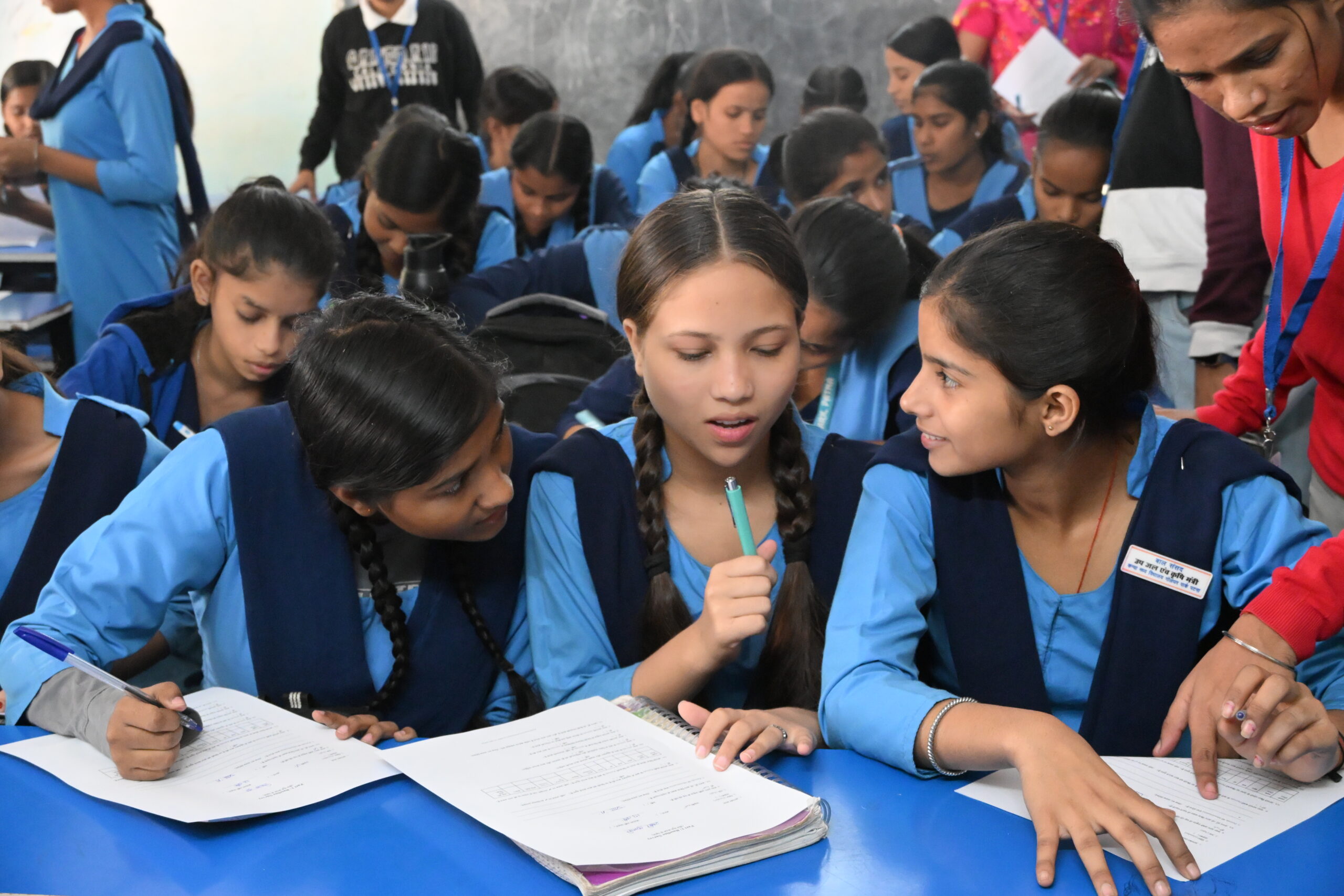
Figure 2. (left) Priya, a facilitator, guiding students as they fill out the baseline survey forms. Figure 3. (right) Students discussing the survey questions among themselves
Priya, the facilitator helping students fill out the survey forms, noticed the hesitation. “This is not a test,” she reassured them. “There are no right or wrong answers.” The silence was lingering, but slowly, the forms began to fill up. Some answers were brief, some tentative, and some left incomplete, but the act of writing itself felt like a first step.
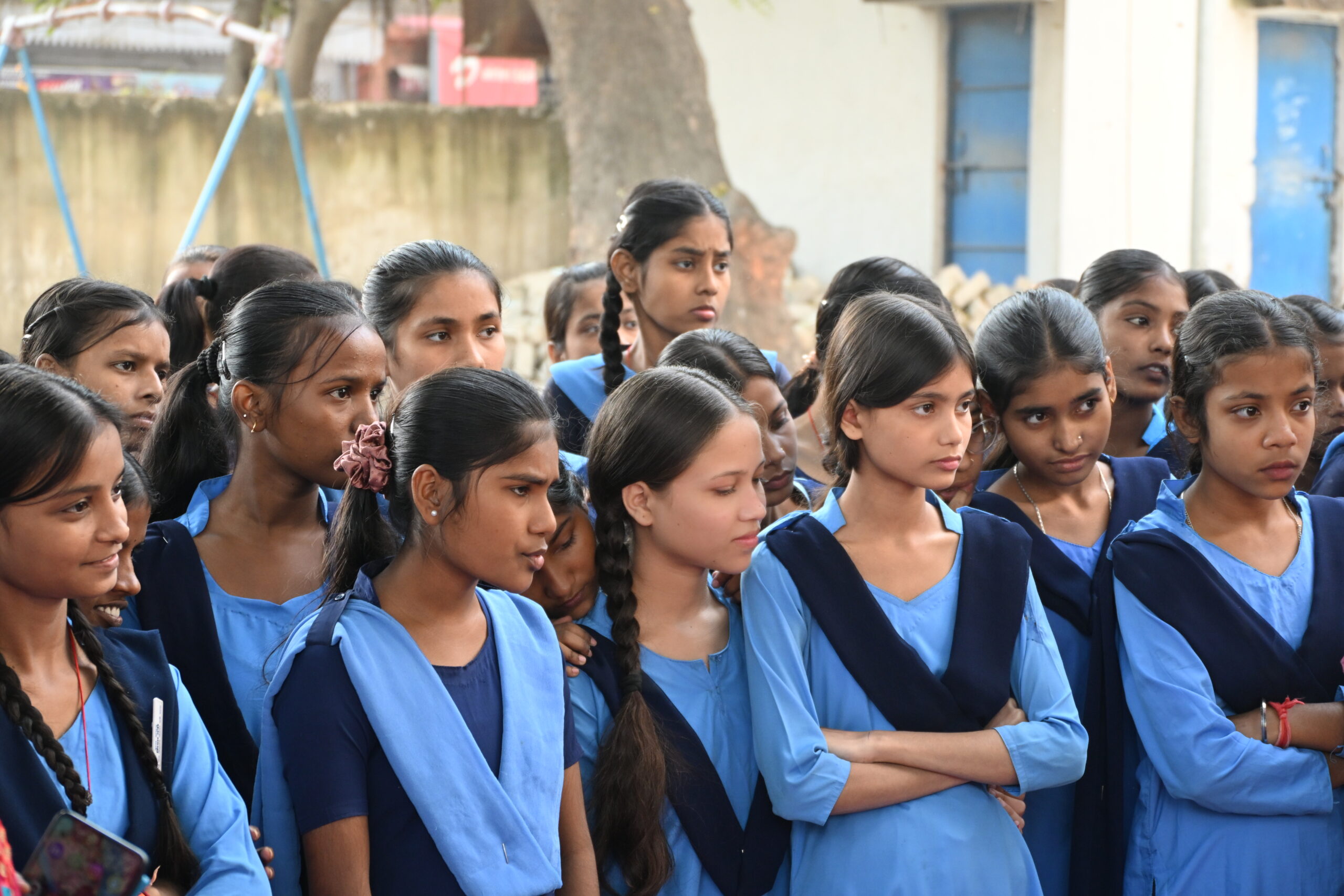
Figure 4. Students listening closely to the facilitators as the game is about to begin.
These on-ground sessions were part of Phase I of Project Periodica, an initiative by SPRF India implemented in Patna in collaboration with Pothi Patri Foundation. Designed as an interactive snakes-and-ladders style game, Periodica creates space for conversations around menstruation in ways that feel less intimidating and more participatory. Rather than beginning with a lecture, the sessions unfold through surveys, dialogue, and play, inviting students to reflect, respond, and engage at their own pace. Across schools in Patna, the project sought to gently disrupt the silence surrounding menstrual health, creating spaces where curiosity, hesitation, and lived experiences could surface together.
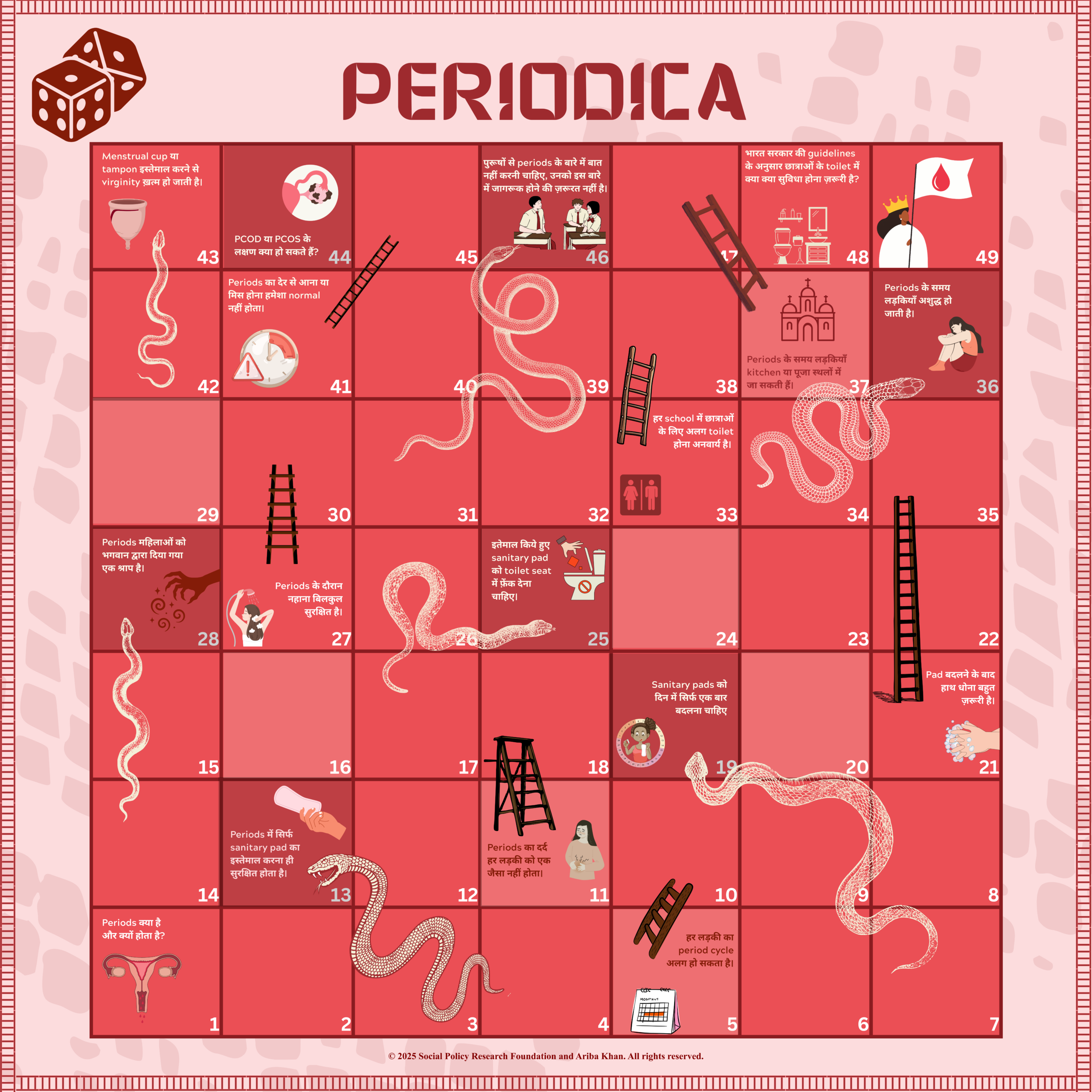
Figure 5. Periodica game sheet
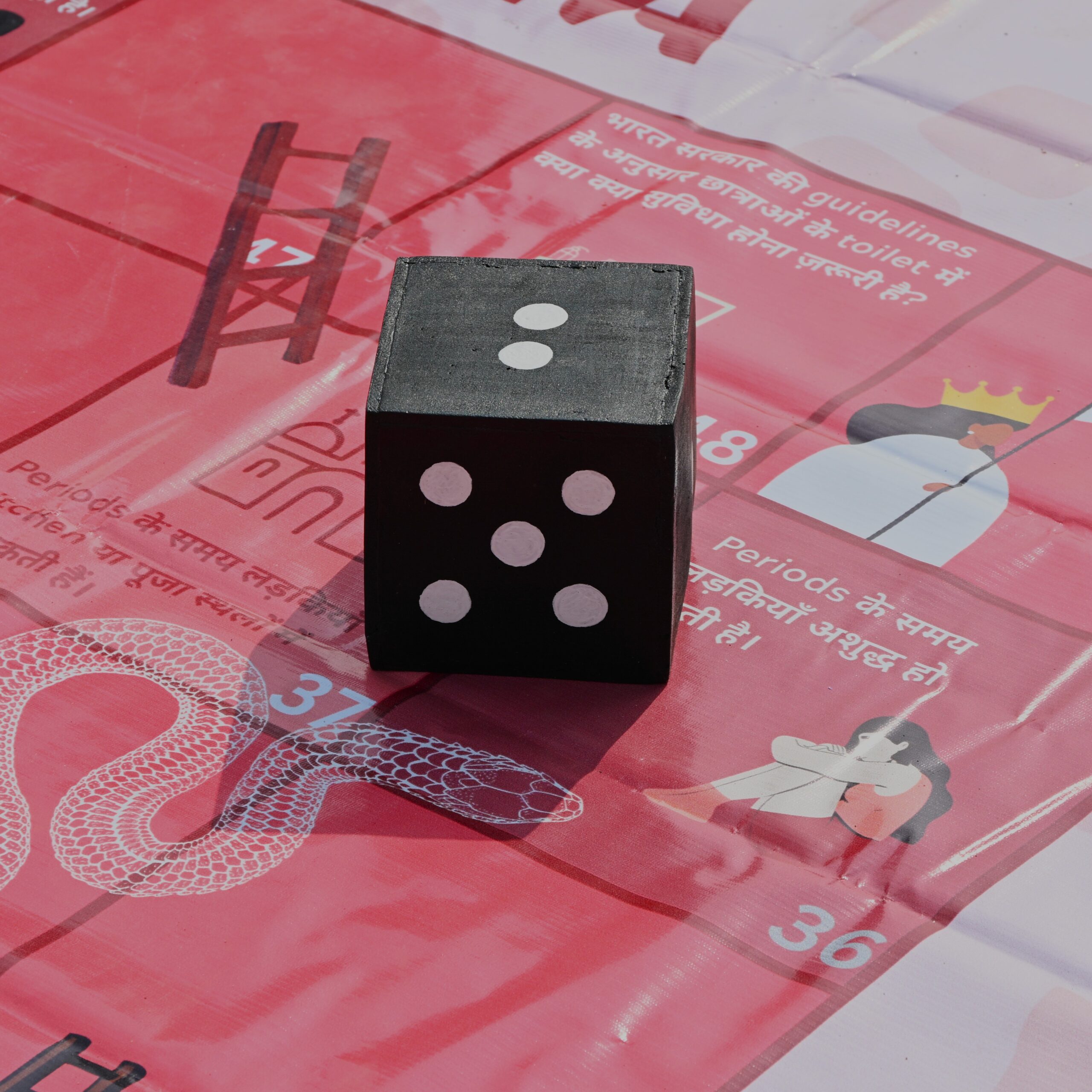

Figure 6. (left) Periodica game dice. Figure 7. (right) Periodica game card.
A few girls were nervous, some nudged their friends. The students were unsure of what was about to happen, but curious enough to stay. The dice hit the ground before anyone could speak.
Player 1 stepped forward on Periodica. She landed on Box 1, where the question read: “What is menstruation?”
The question was left hanging in the air. No one responded immediately. Some students were gazing down, while others were glancing at the other facilitators standing nearby. Menstruation was rarely spoken about like this in their school, not in classrooms, not outdoors, and certainly not through a game.
Nayna (facilitator) handed card no.1 to the player and asked her to read it out loud.
She read, “Menstruation is a natural biological process. It is part of how the body works……..”
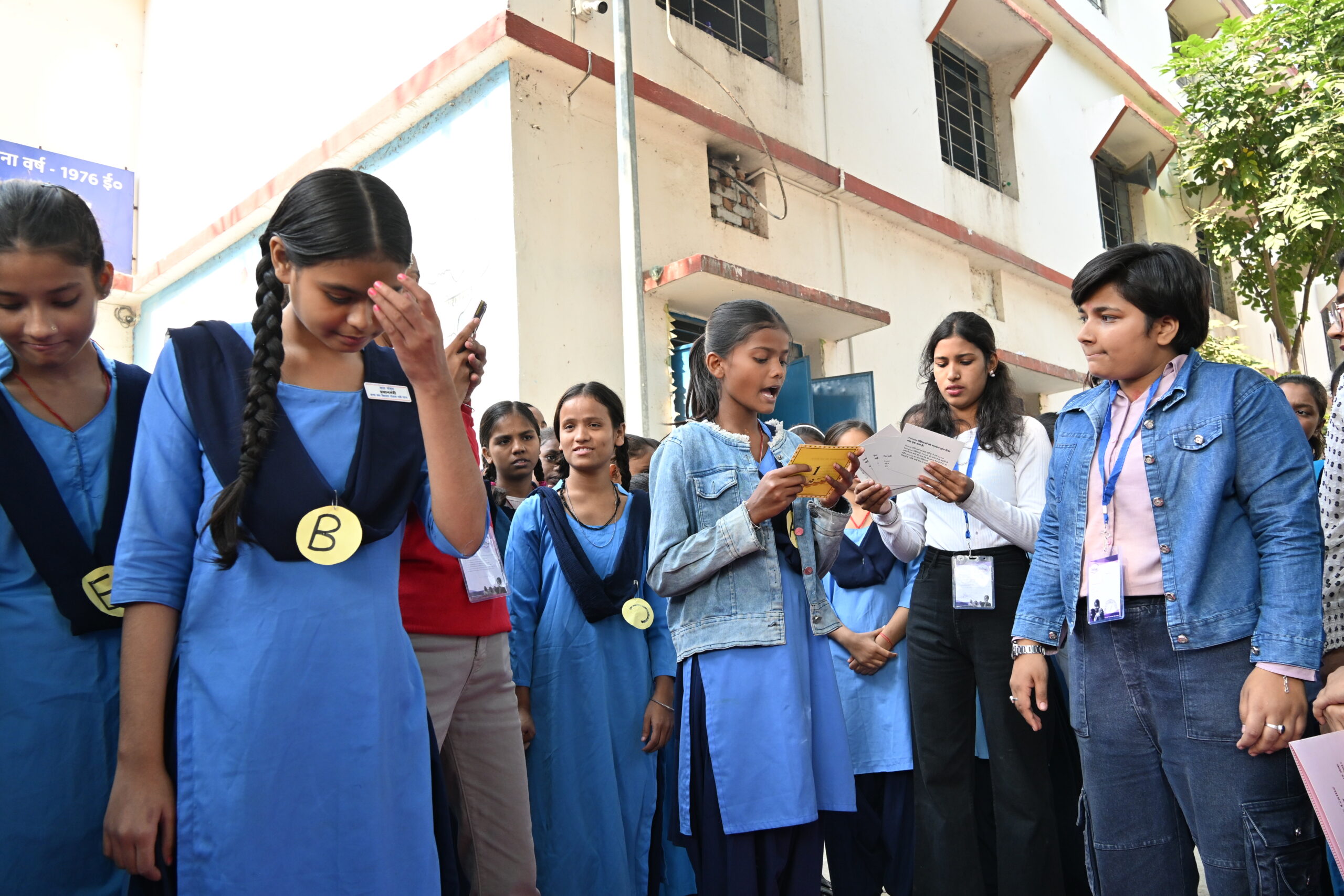
Figure 8. Students gathered around as one player reads aloud from the game card.
Then, the dice rolled again. Player 2 started moving ahead and landed on Box 4, where there was a ladder. She climbed up. Her group erupted in loud cheers, and laughter and chuckles slowly replaced nervousness. There was a visible shift in the atmosphere.
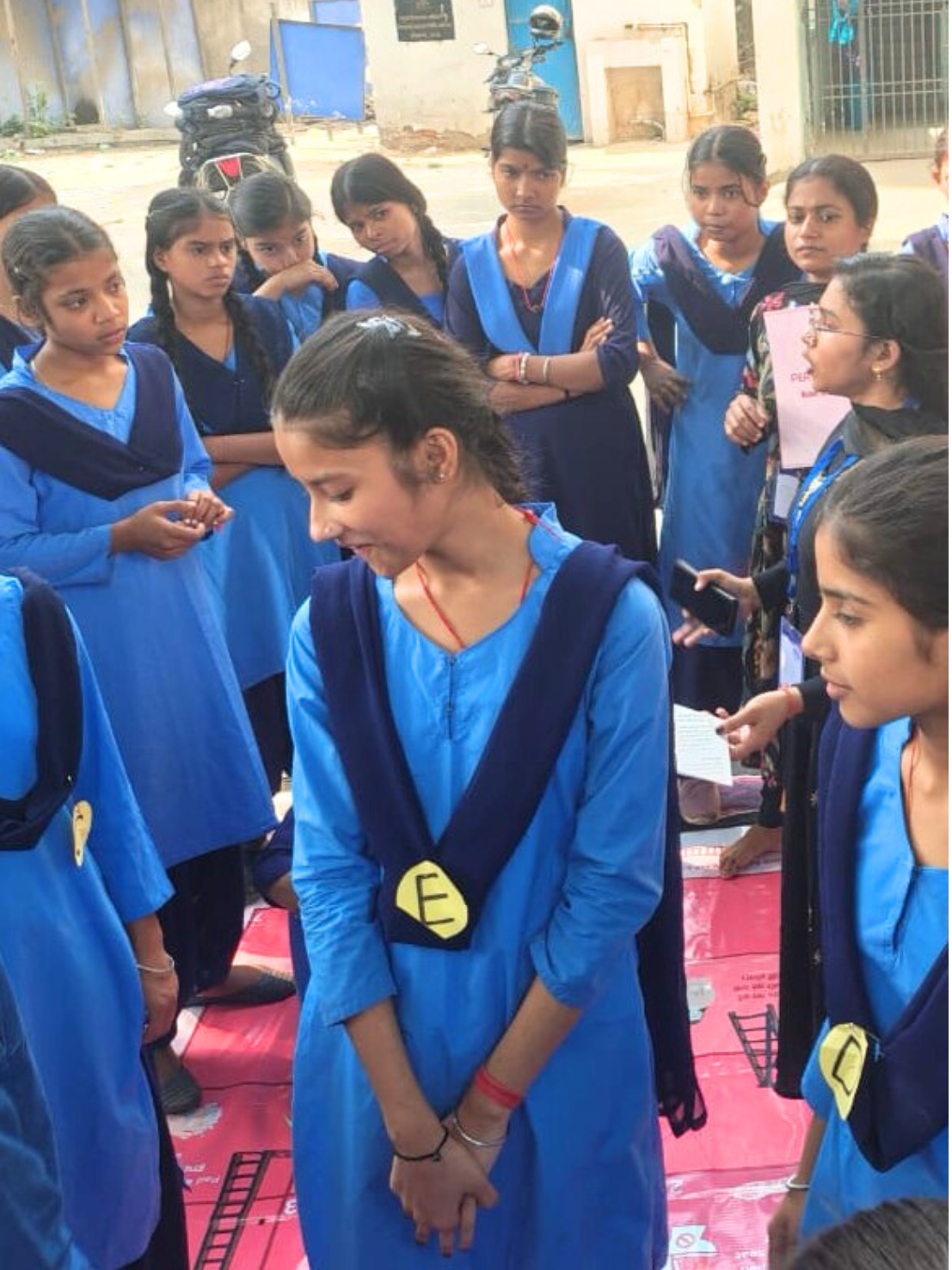
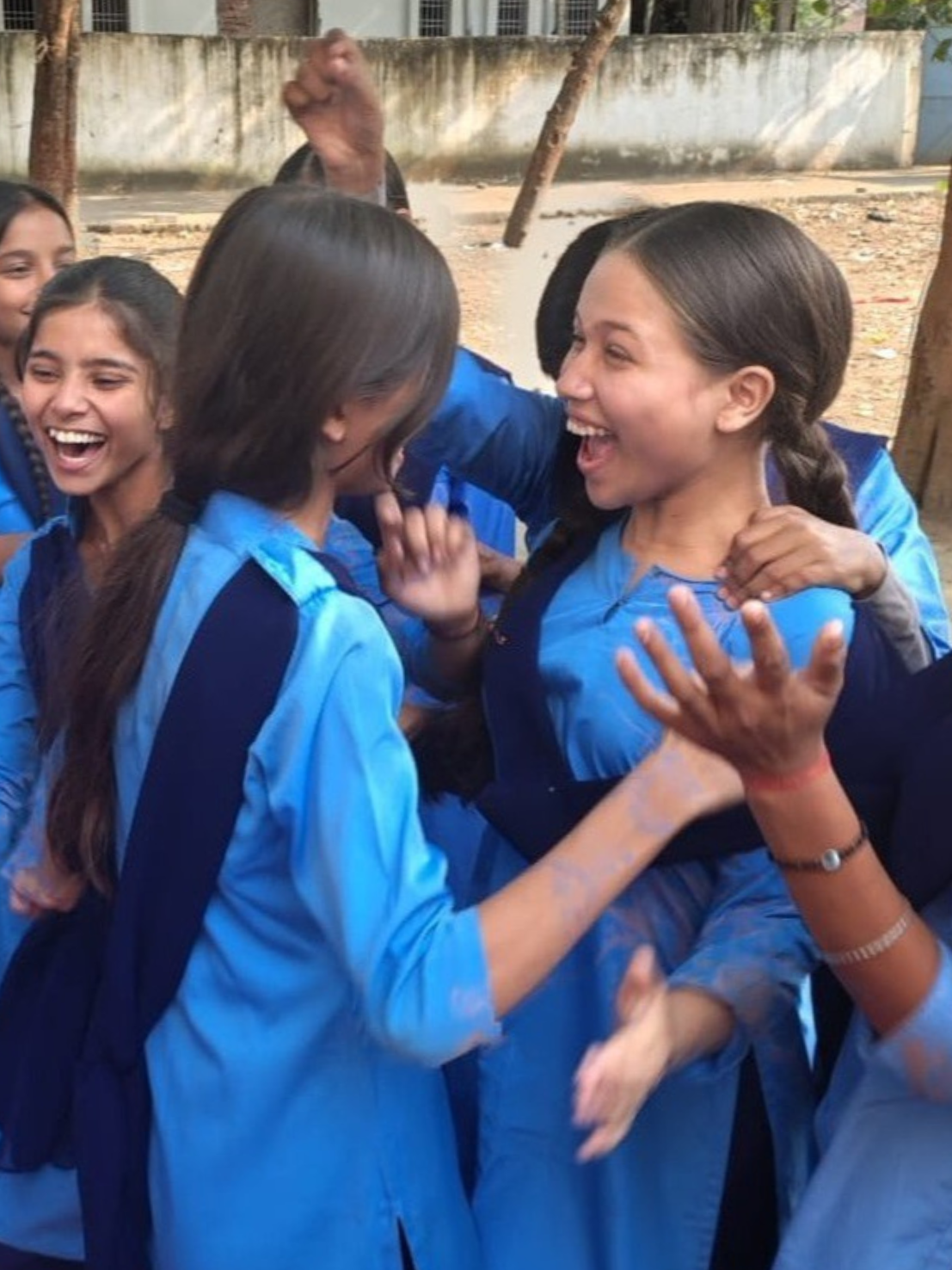
Figure 9. (left) A player from Team E climbs a ladder, greeted with murmurs and smiles. Figure 10. (right) Students cheering for their teammate as the game gathers momentum.
A few moments later, all the students leaned in closer. They listened carefully as each card was read out loud. Questions turned into conversations, what was unfolding was not a lecture, but a play. It was a snakes-and-ladders game designed by SPRF India to spark real conversations around menstruation, myths, hygiene, and everyday experiences, by using the concept of ‘Games For Change’. There were no stiff lessons. There were only dice, cards, and a topic that most classrooms avoided, now finally being discussed openly.
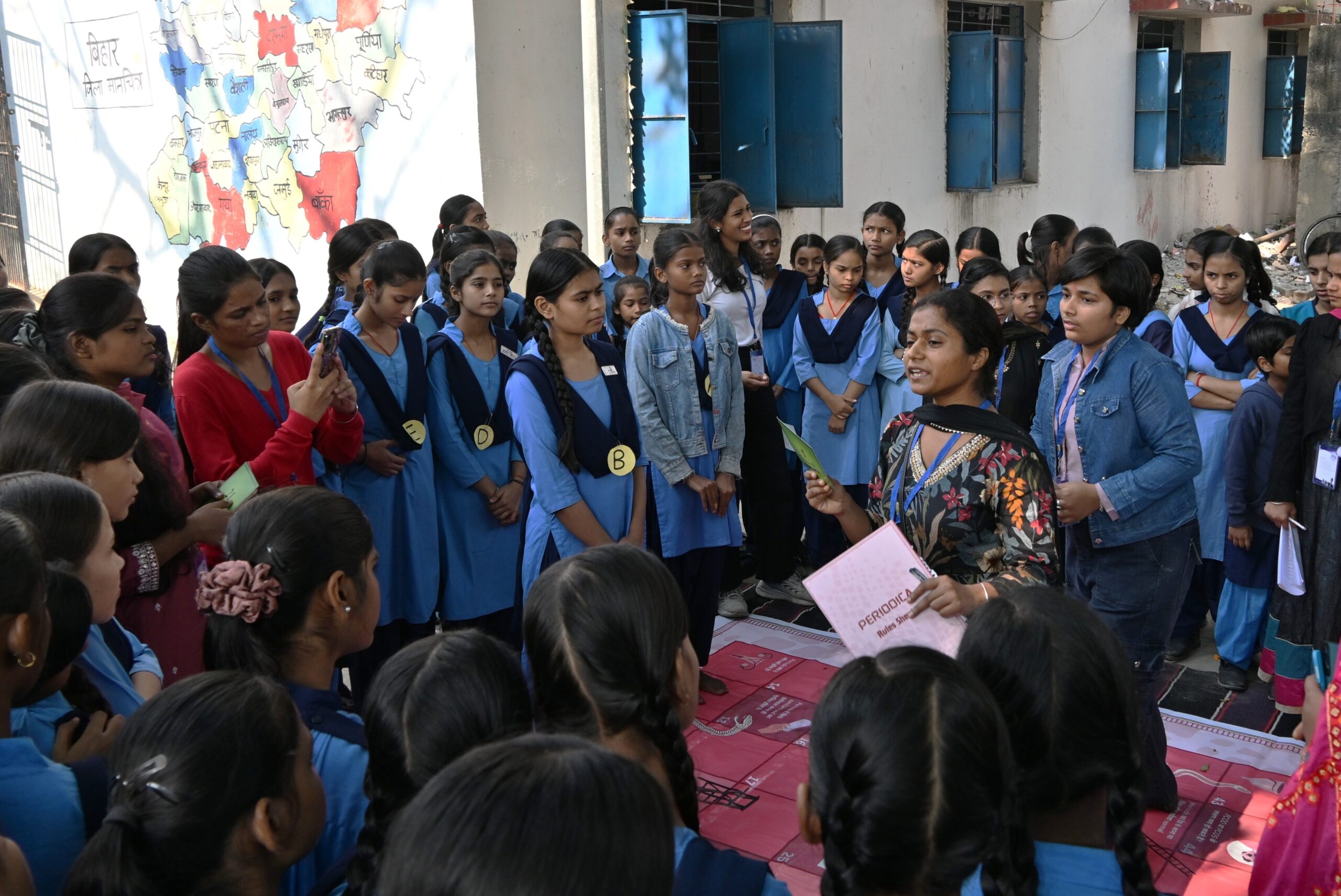
Figure 11. Anupriya and Nayna facilitating the game, gently guiding students through each move.
The normalisation of menstrual health and hygiene in India is still a relatively nascent phenomenon. While there has been a considerable increase in the promotion of menstrual health in recent years, a long road still lies ahead. Given India’s vast regional disparities, states like Tamil Nadu have reported nearly 98 per cent usage of hygienic menstrual methods among young women, while Bihar remained among the lowest, with only 59.2 per cent reporting the use of hygienic practices. Education spaces are expected to bridge this gap, yet they often struggle to create environments where such conversations feel safe.
Reflecting on session one of Periodica, Anupriya, a facilitator, shared, “The most meaningful part for me was interacting closely with the students. Many of them were becoming more aware and comfortable just by talking.”
Anshu echoed the same feeling, saying, “I was witnessing students cheering for each other. As they were starting to listen attentively, they were slowly becoming more confident once the game created a safe entry point.”
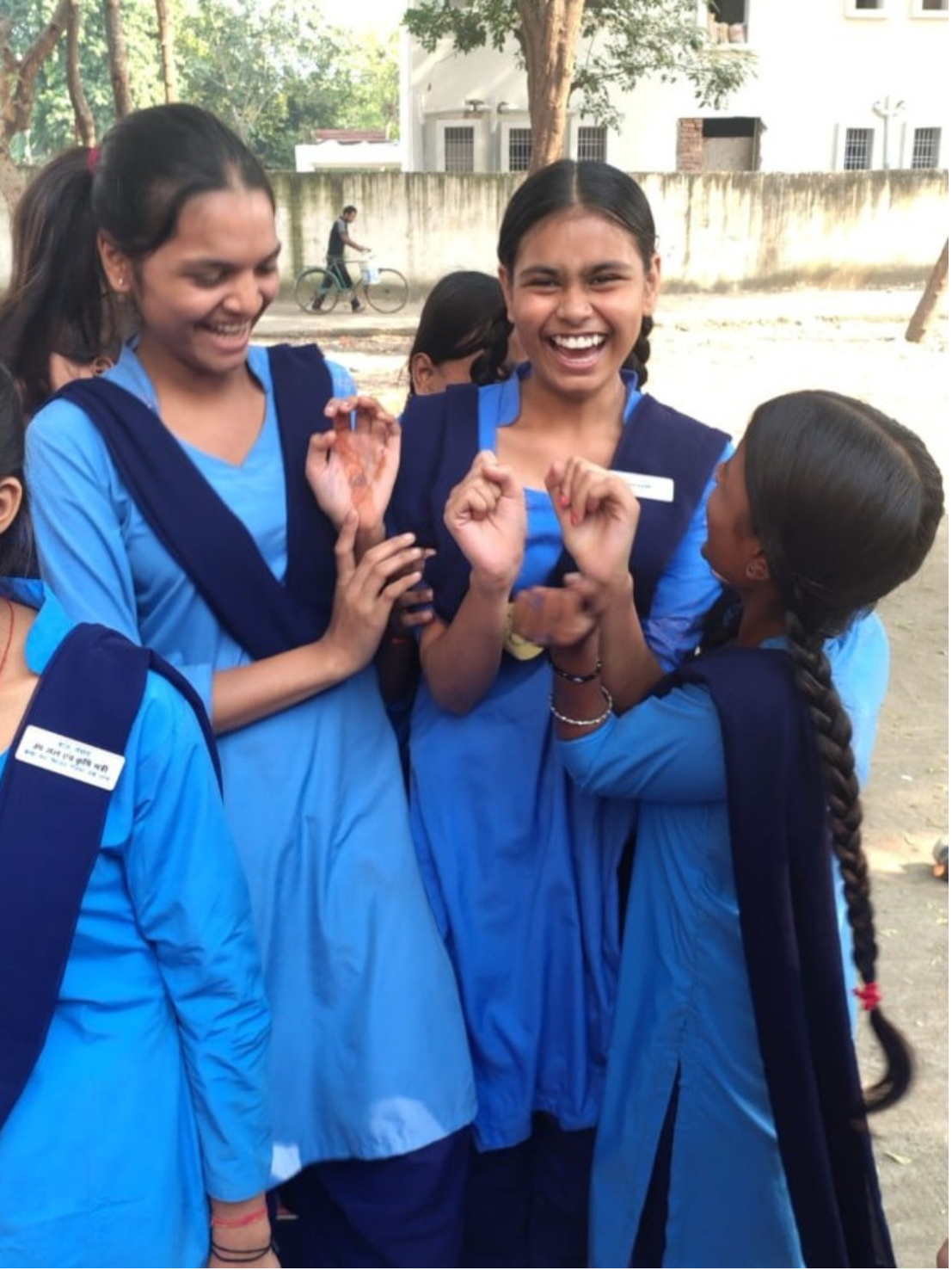
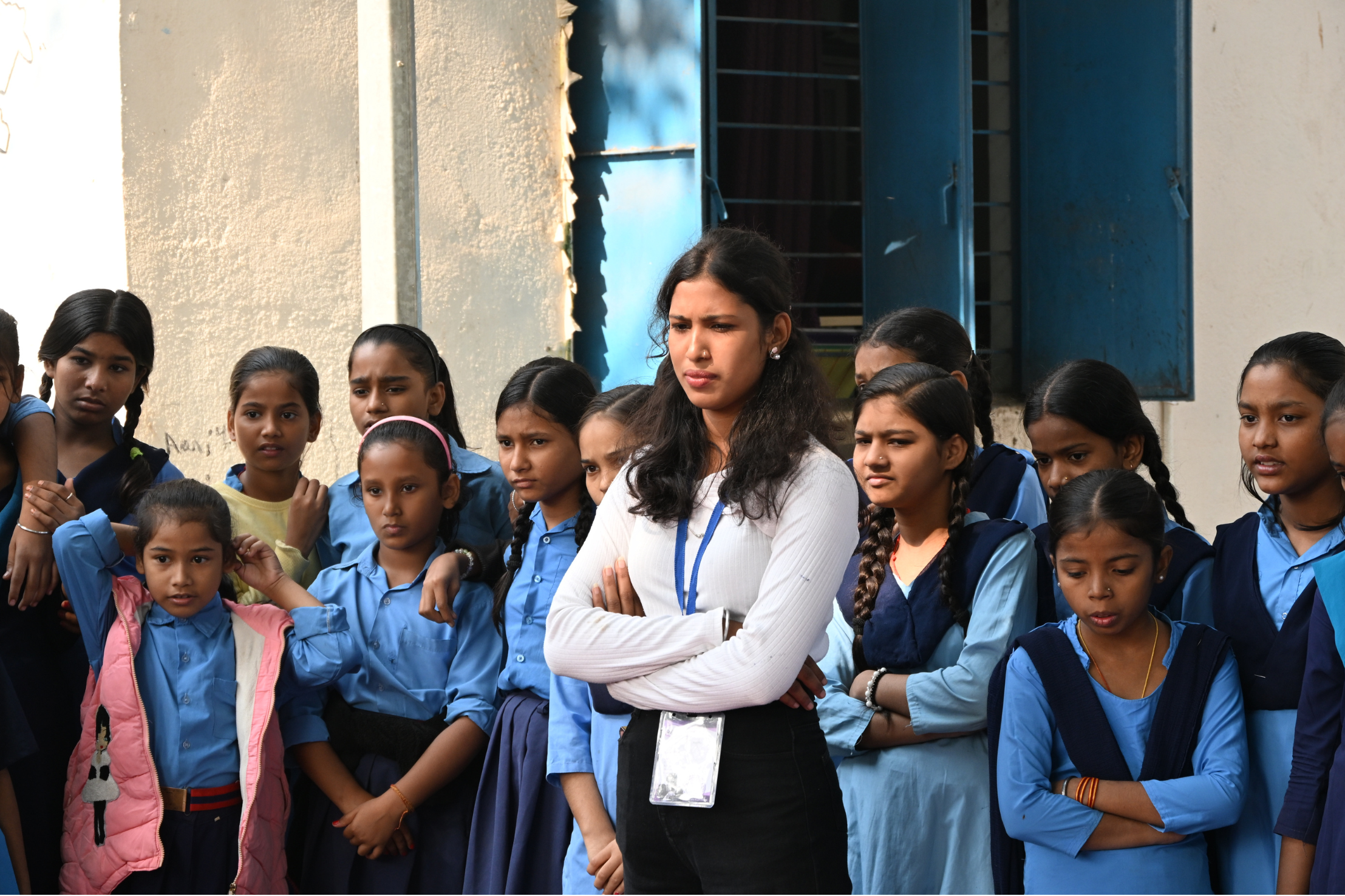
Figure 12. (left) Students giggling and laughing while enjoying the game. Figure 13. (right) Anshu, a facilitator, standing beside students as they listen attentively to discussions on menstrual health and hygiene during gameplay.
The game took longer than planned, partly because it was working. Lunch break was beginning, but the circle would not dissolve. Instead, students from other classes were gathering around. The space was progressively becoming crowded and noisy. It was disruptive, but in a way that signaled curiosity and excitement, just to catch a glimpse of the game.
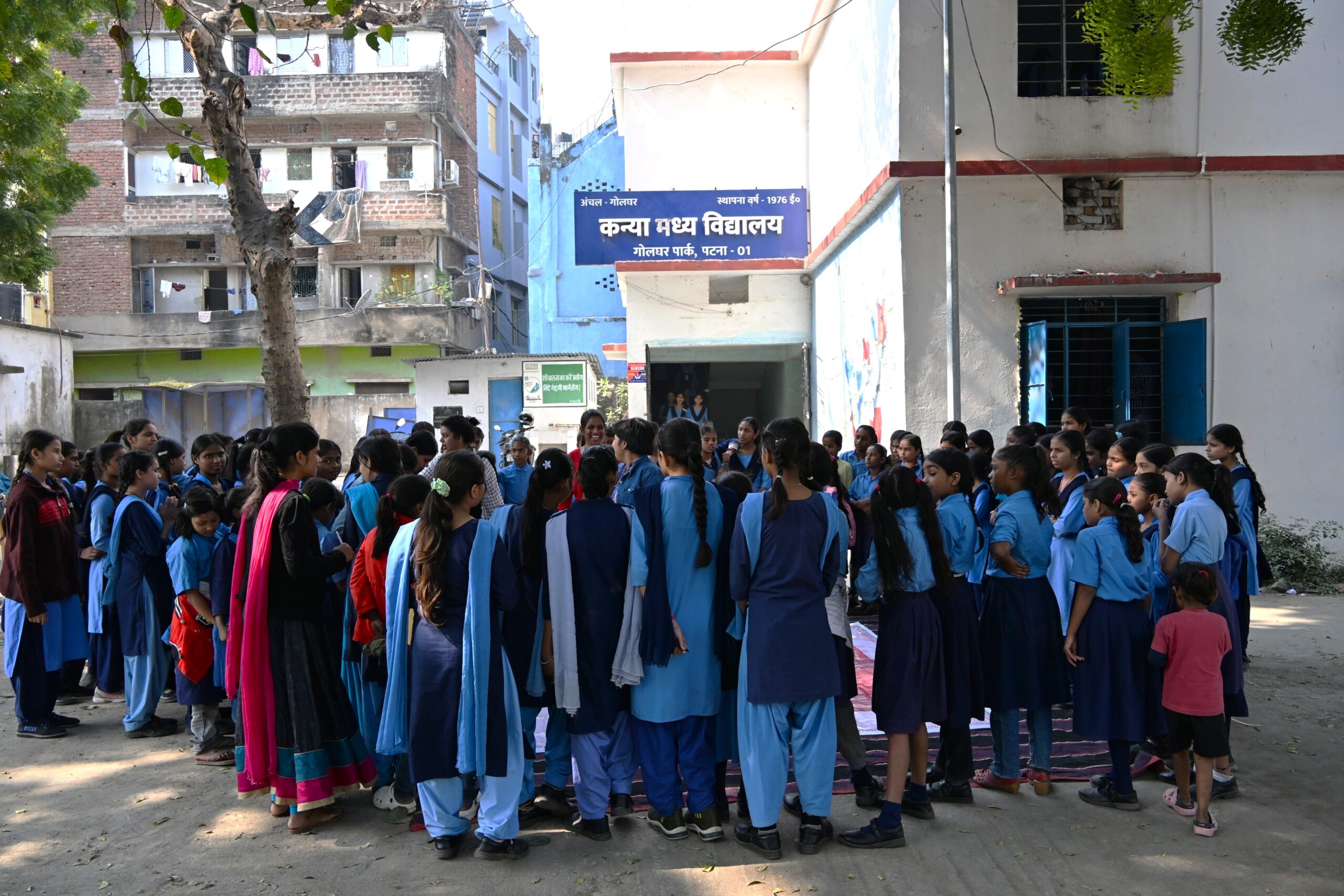
Figure 14. A growing circle of students gathers around Periodica during the lunch break, drawn by curiosity.
According to Priya, another facilitator, “What was missing, however, was the teachers’ presence. No one was stepping in to help manage the crowd or the noise. They seemed disinterested and were leaving discipline entirely to us. Still, we worked closely as a team, navigating time, noise, and crowding together.”
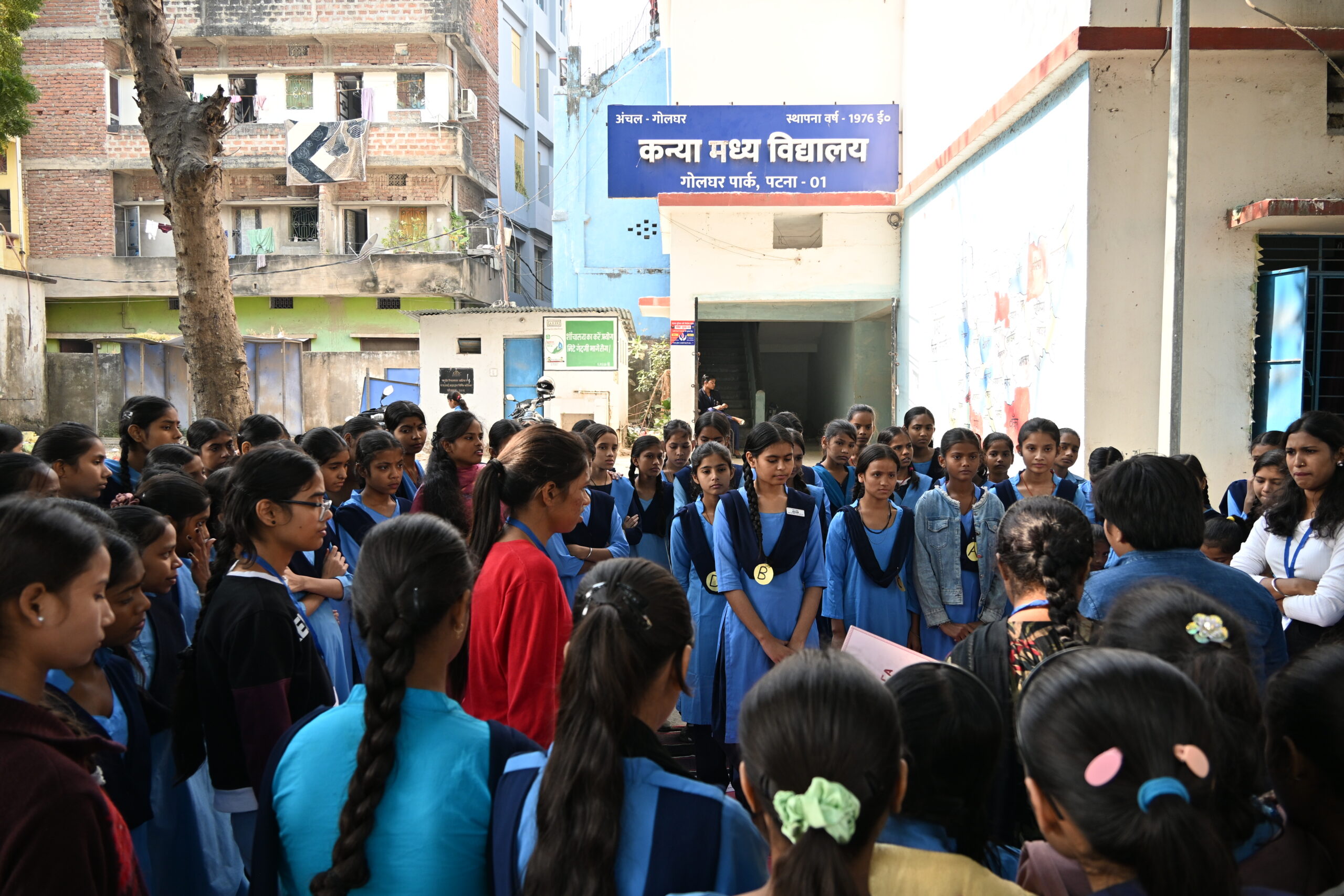
Figure 15. As the final moves are played, the game slowly approaches its end.
From the outside, the session looked ideal, the students were engaged, there was no visible hesitation, and the game had clearly sparked excitement, exactly as it was designed to do.
But this ease had a reason, there were no boys in the circle. As an observer, it became clear that the openness in this session was shaped by this absence. Still, Session One proved something essential. The game worked, and this was only the beginning.
Now, it was time for Periodica to be tested in a different setting. A question was already on the facilitators’ minds: How would the game function in a space where boys and girls would participate together?

Figure 17. Nayna (right) and Priya (left) setting up the Periodica game at Sanyukta Bihar Vidyapeeth, Rajapur (Patna).
On 15 December 2025, at Sanyukta Bihar Vidyapeeth in Rajapur, Patna, the circle looked different from the very beginning. Seventy students of Class 9 gathered in the playground, girls and boys standing side by side, divided into seven groups. The numbers alone changed the atmosphere, boys outnumbered girls. Voices were louder, movements were restless. Female teachers were roaming around, observing silently.
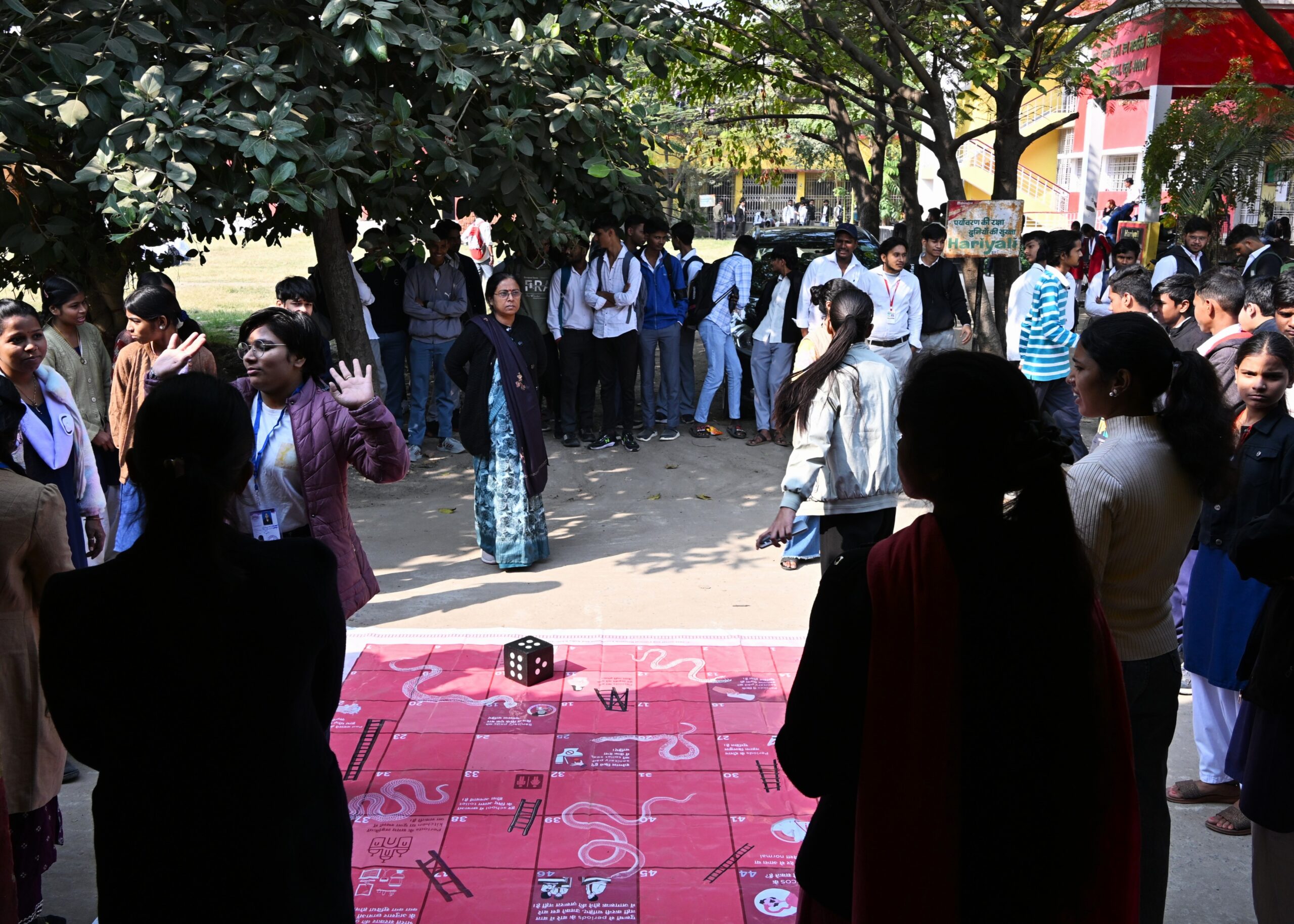
Figure 18. Students gathered in a circle on the ground for the Periodica gameplay session.

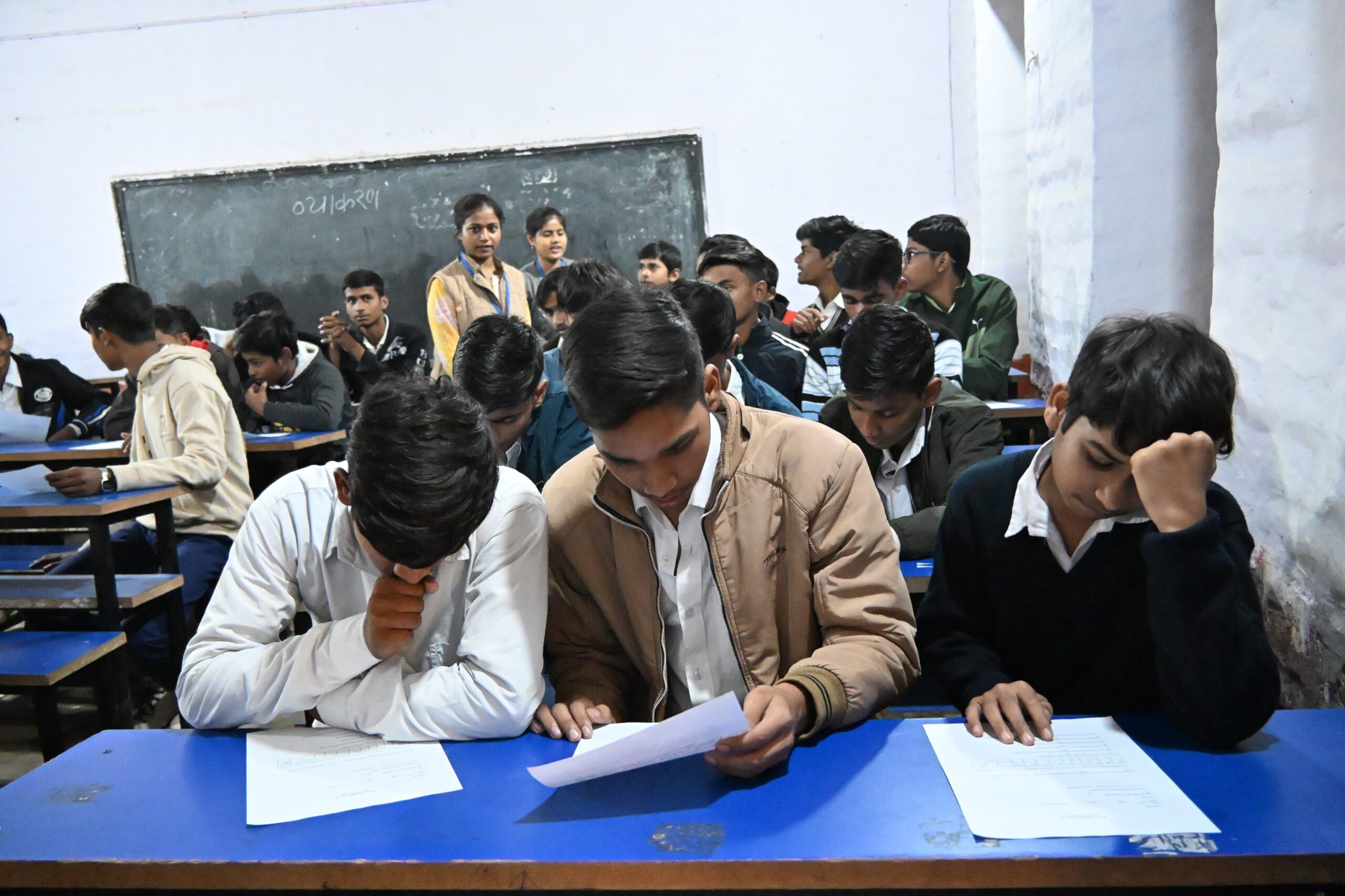
Figure 19. (left) Boys filling out the baseline survey forms before the session begins. Figure 20. (right) Students discussing the survey questions quietly among themselves.
Initially, some boys participated awkwardly, but as excitement built up, they gradually started getting comfortable. A few moments later, they were outspoken and quick to respond, even when they felt a little unsure. Girls, on the other hand, remained quieter. The presence of boys made them cautious. Some of the girls avoided the microphone, while others hesitated before raising their hands.
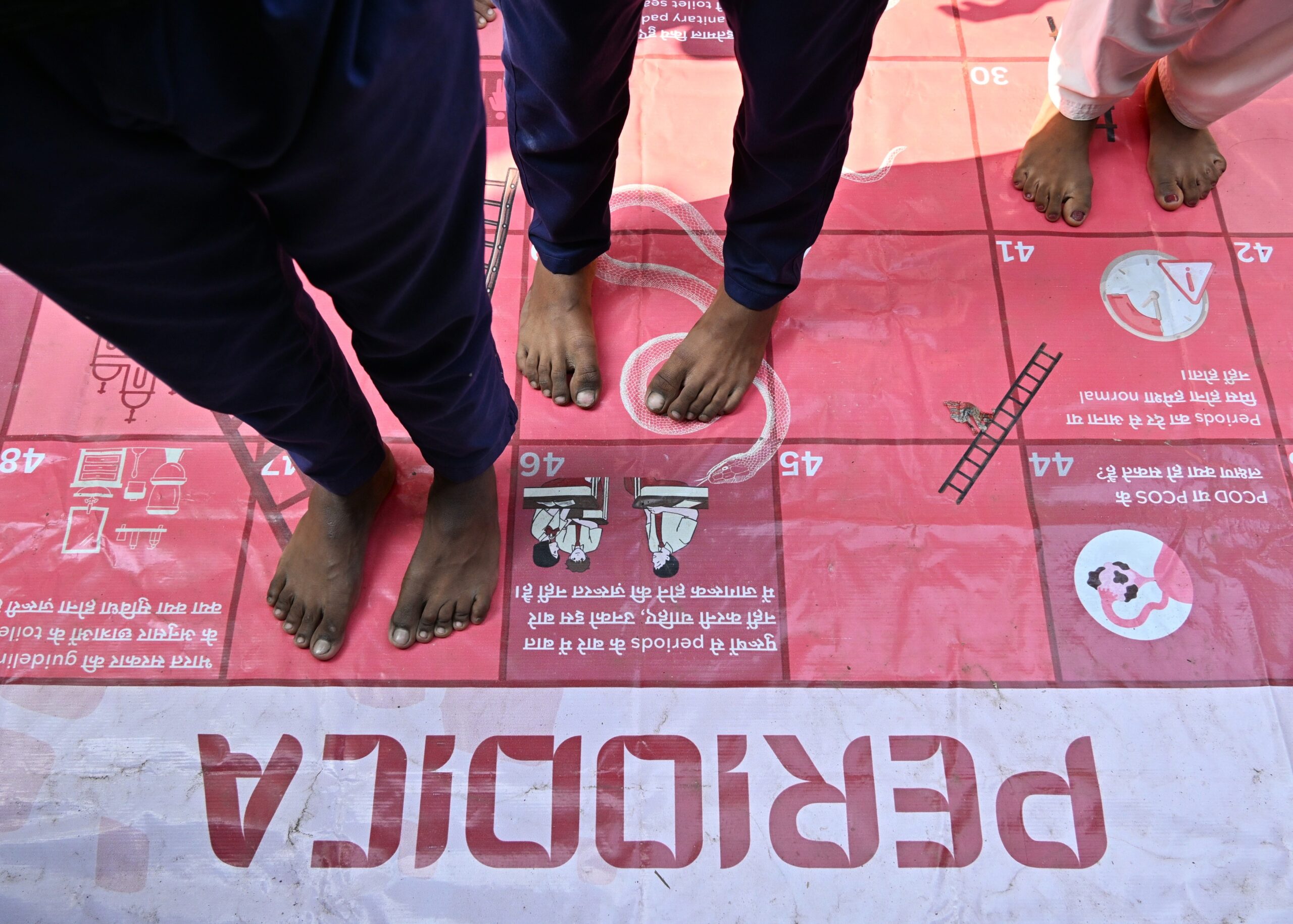
Figure 21. Students/ players standing on the Periodica game sheet.
As Abha (facilitator) shared, “Slowly, the game itself was creating ease in the environment. Players were becoming competitive, and girls finally started participating with less hesitation.”
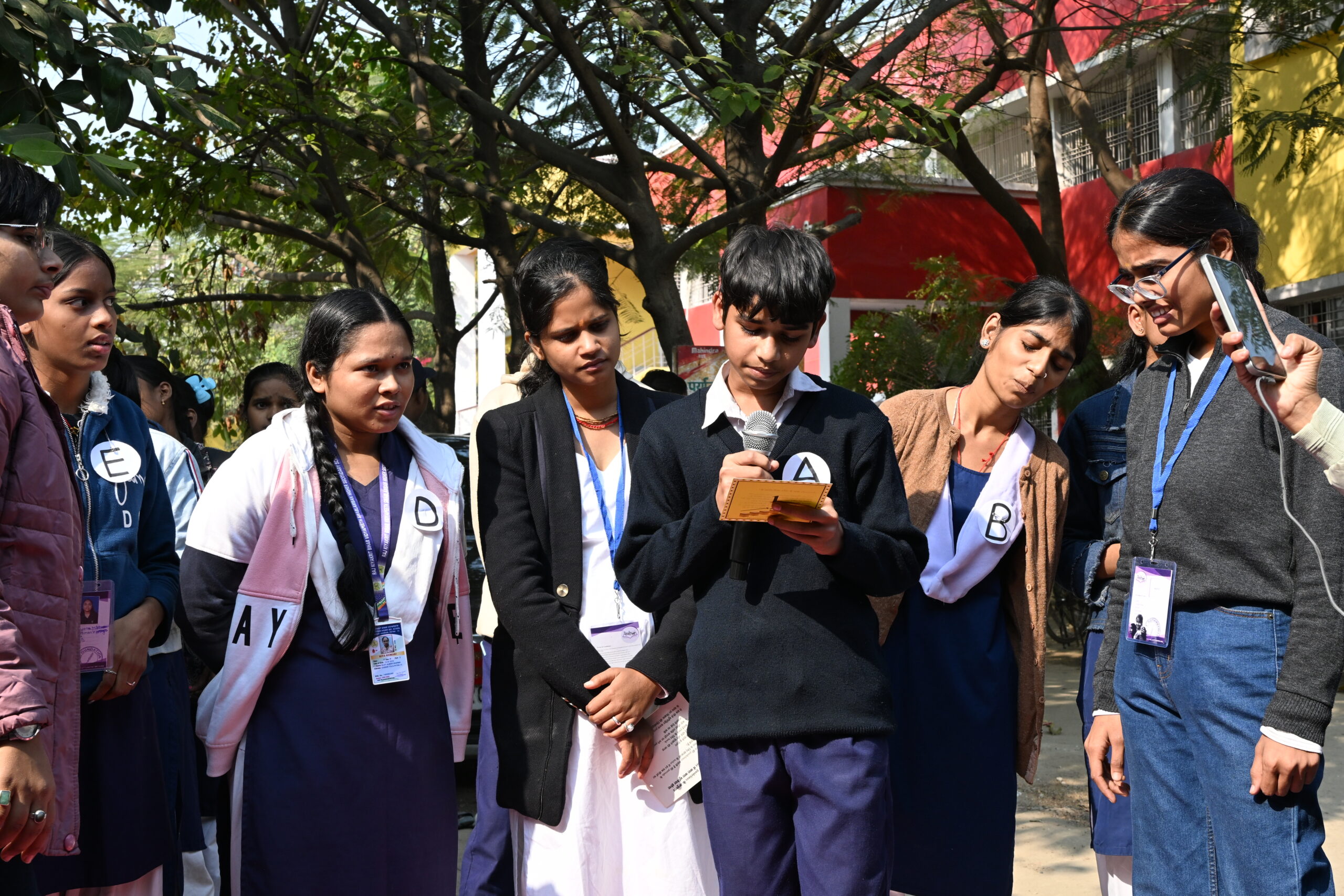
Figure 22. A student/player reading aloud from a Periodica game card.
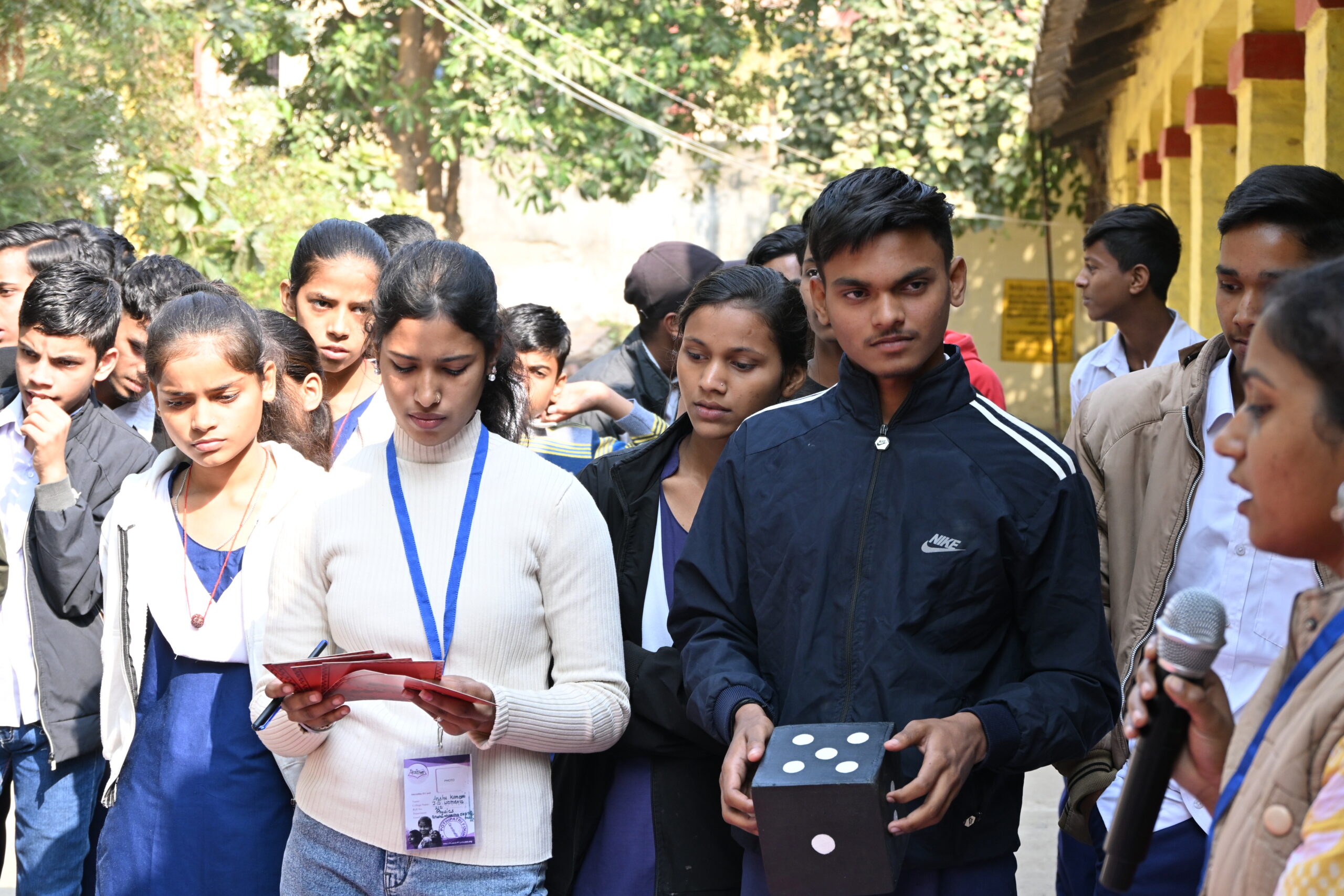
Figure 23. Students/players listening to the facilitators as the game rules are explained.
According to Anshu (facilitator), after some time, questions started coming from the girls’ side too. She recalls, “Girls asked about hygiene, menstrual pain, PCOD, and PCOS. Some asked about myths they had grown up hearing. A few girls shared that they missed school during their periods because of pain or a lack of proper facilities.”
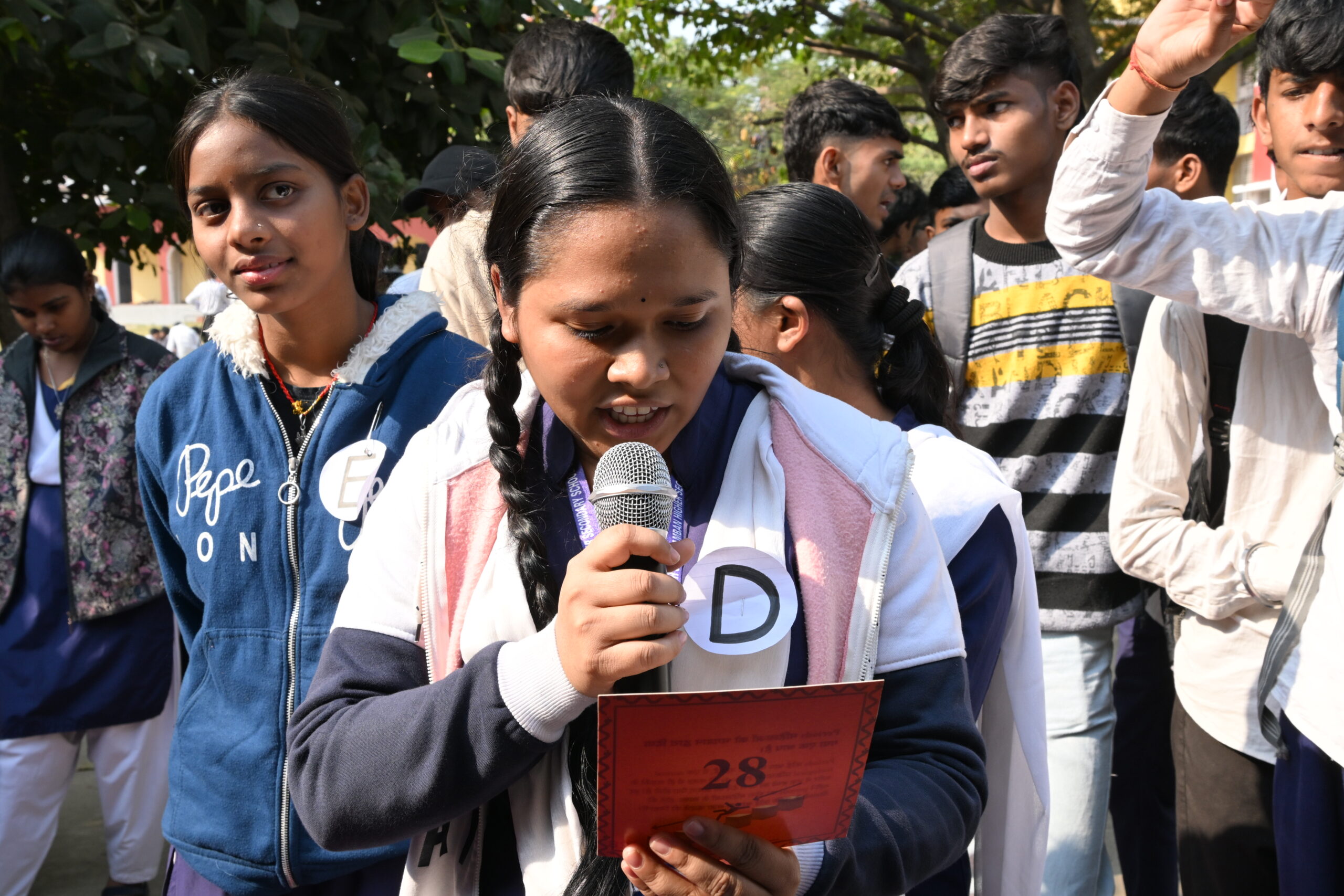
Figure 24. Another student/player reading a game card as the discussion unfolds.
Some students were asking questions, listening carefully, and seemed genuinely interested in the game. However, maintaining that space soon became difficult. The game was not able to accommodate or hold the attention of all 70 students at the same time. Gradually, the session was moving towards its conclusion, and the facilitators began distributing the endline survey forms.
Then, the environment shifted.
A male teacher, also the principal of the school, intervened. “This is weird,” he said, loudly enough for the students to hear. “Why do boys need to learn about this topic?”
The impact of these words was immediate. Boys, who had previously been engaged in the game, suddenly became defensive, as if they had been given an excuse. Some of them laughed, while others started misbehaving.
Priya, one of the facilitators, shared, “I tried to reach out to him, intending to explain the purpose of the session, but the teacher became so furious that he snatched the forms from the boys’ hands and ordered the facilitators not to include boys in the activity.”
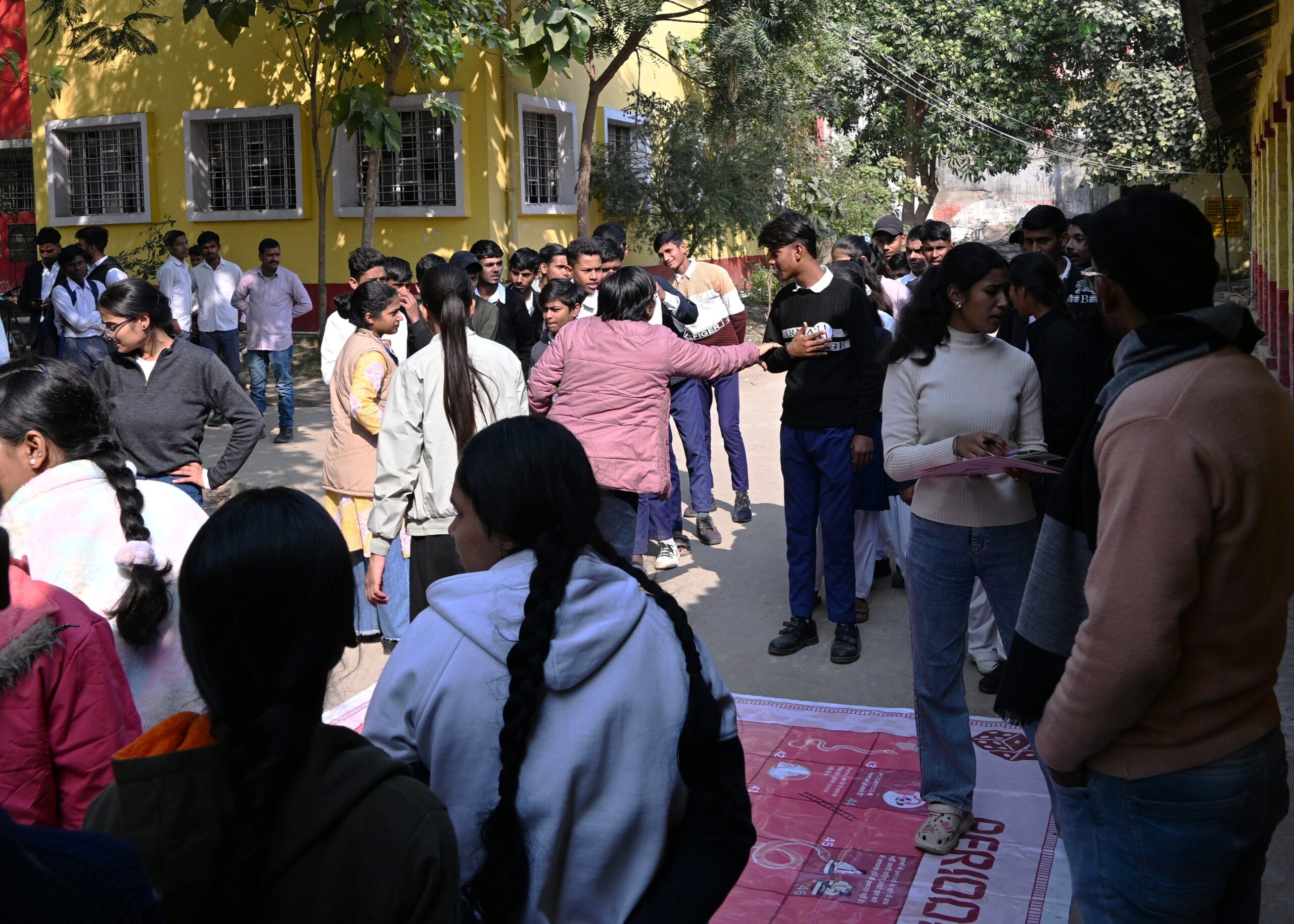
Figure 25. Facilitators attempting to steady the session after brief disruptions.
Before the intervention, even hesitant participation was still participation. After that, the space collapsed. The girls, who had just begun to speak more freely, grew quieter again. The boys, once curious, disengaged completely.
As one facilitator reflected later, “The session might have been far more effective without the interruption.”
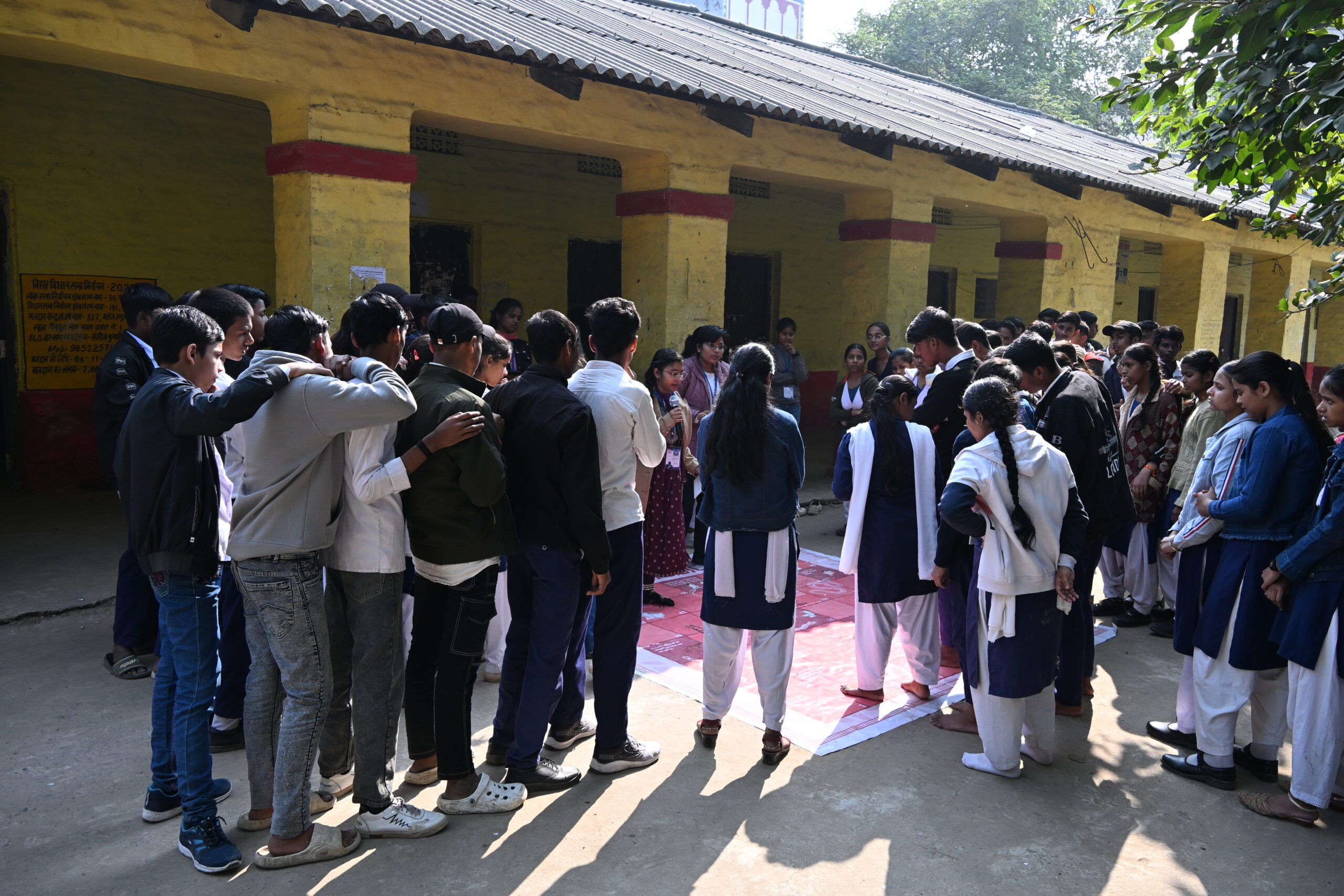
Figure 26. The game entering its final moments, with teams closely following each move.
The moment revealed something crucial about the challenges faced by the gender inclusive MHH awareness campaigns. The boys were not the barrier, nor were they disinterested in the topic. Simultaneously, girl students were willing participants. The discomfort came from adult authority figures who were not confident or sensitised enough to make space for discussions on menstruation. As a result, out of the 70 students, only 37 were able to fill the endline forms, as most of the boys eventually left the playground.
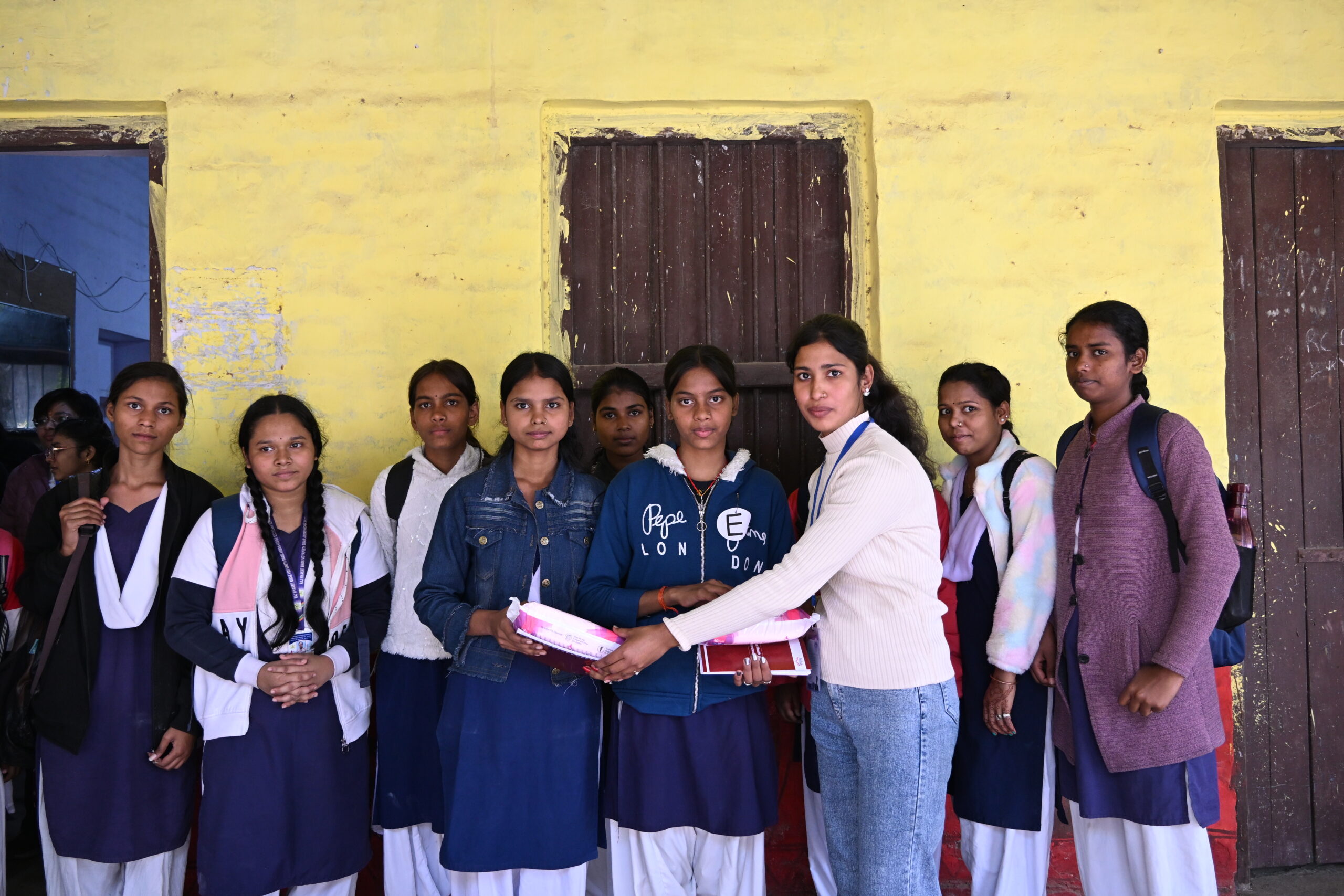
Figure 27. Anshu, a facilitator, distributing diaries and sanitary pad packets to participating students after the session.
After the turbulence of the second session, the facilitators walked into the third school with quiet apprehension. It was another co-educational school, and the doubts lingered. Would the same resistance surface again?
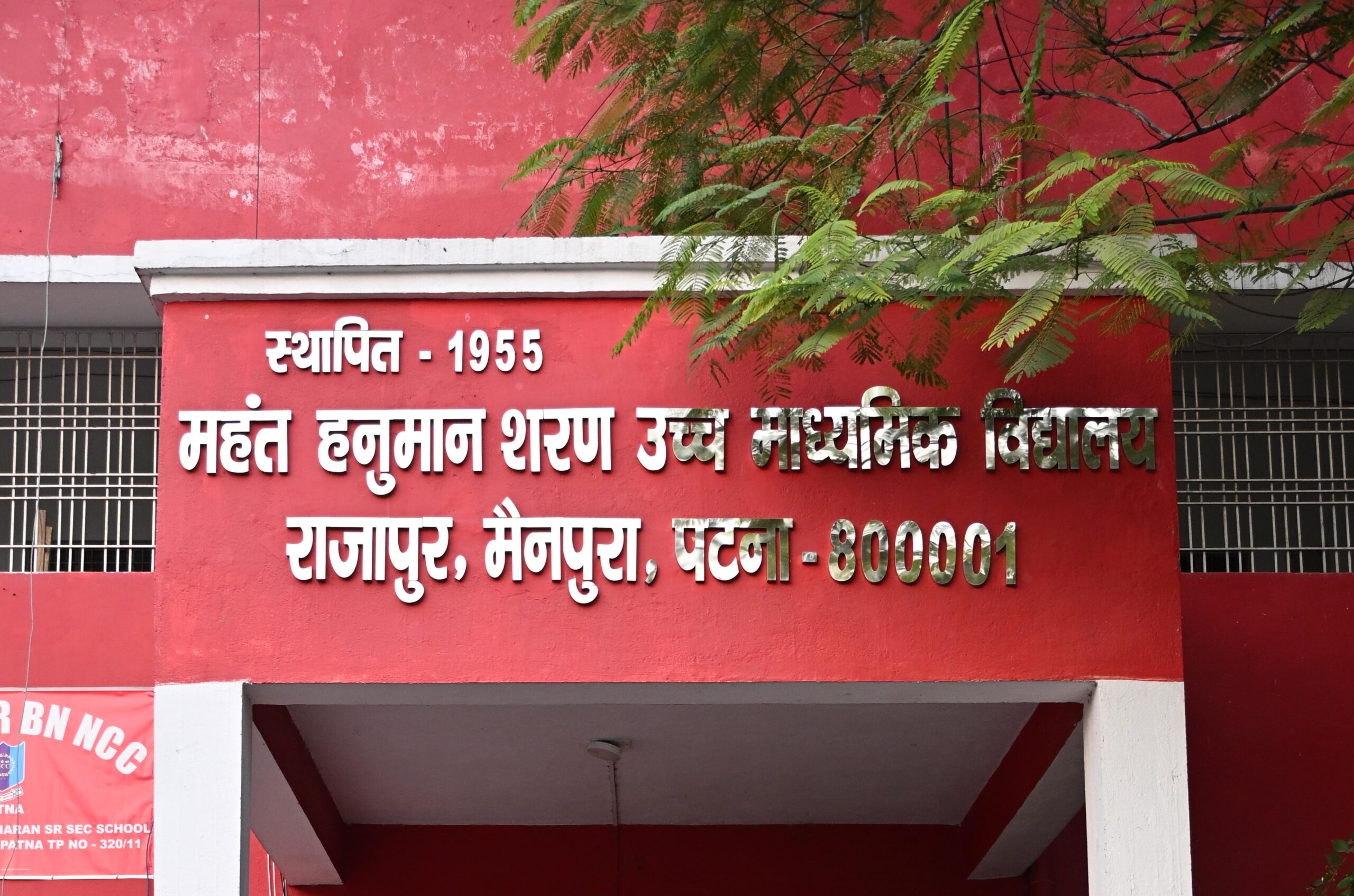
Figure 28. 2:30 PM at Mahant Hanuman Sharan Senior Secondary School, Patna.
On the afternoon of the same day, 15 December, 2025, at Mahant Hanuman Sharan Senior Secondary School in Patna, the setting immediately felt different. The group was smaller and more manageable. Class 9 students were divided into five groups, and teachers remained present throughout the session, not as distant observers but as active supporters.
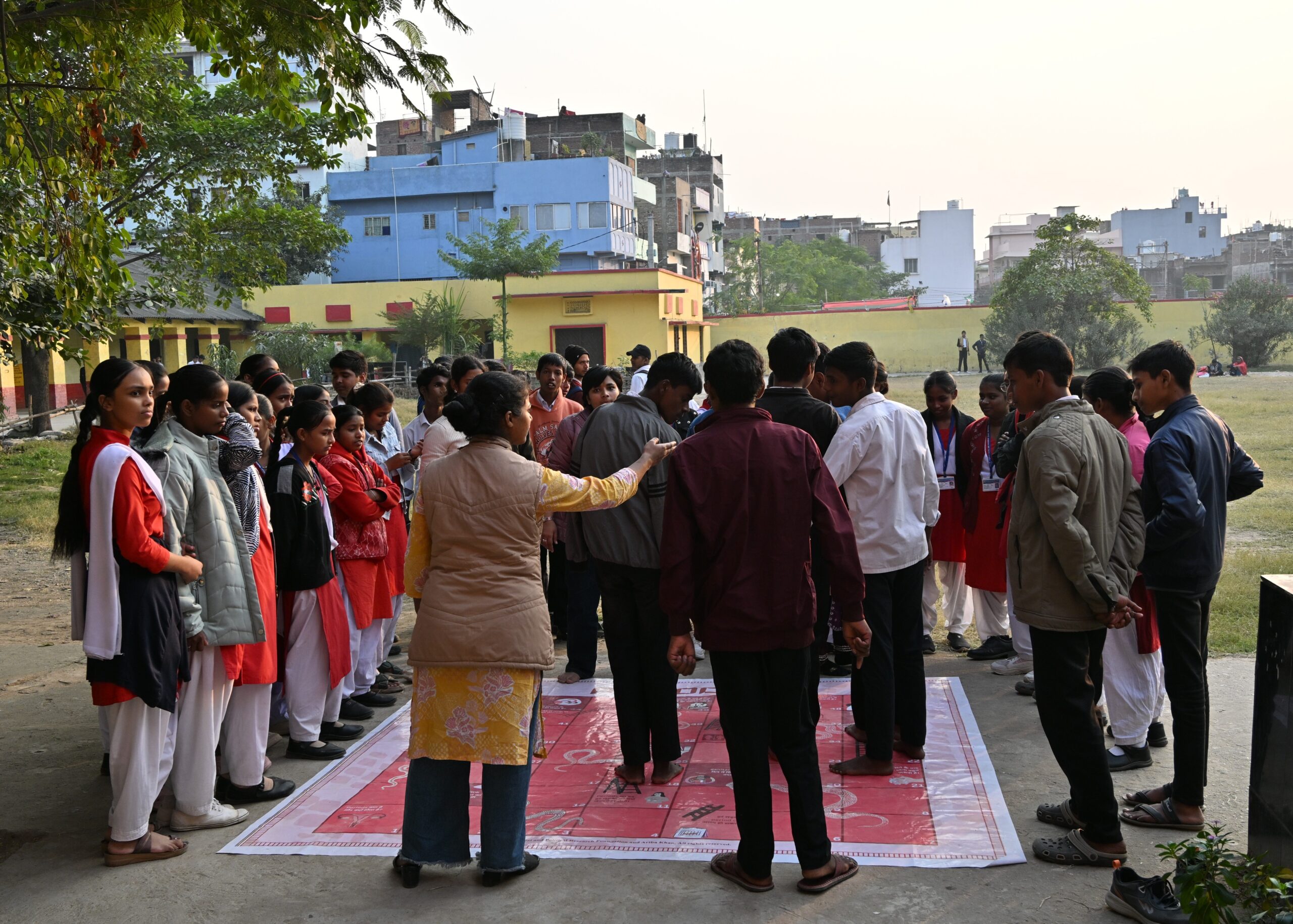
Figure 29. Facilitator Anupriya initiating the Periodica game session after dividing students into teams.
As Anupriya (facilitator) recalled, “There were definitely moments of hesitation. A few boys made noises occasionally. Some students, especially boys, appeared reluctant while filling out the forms. Yet the atmosphere did not spiral. Teachers intervened calmly, asking students to settle down and allowing the facilitators to continue uninterrupted.”
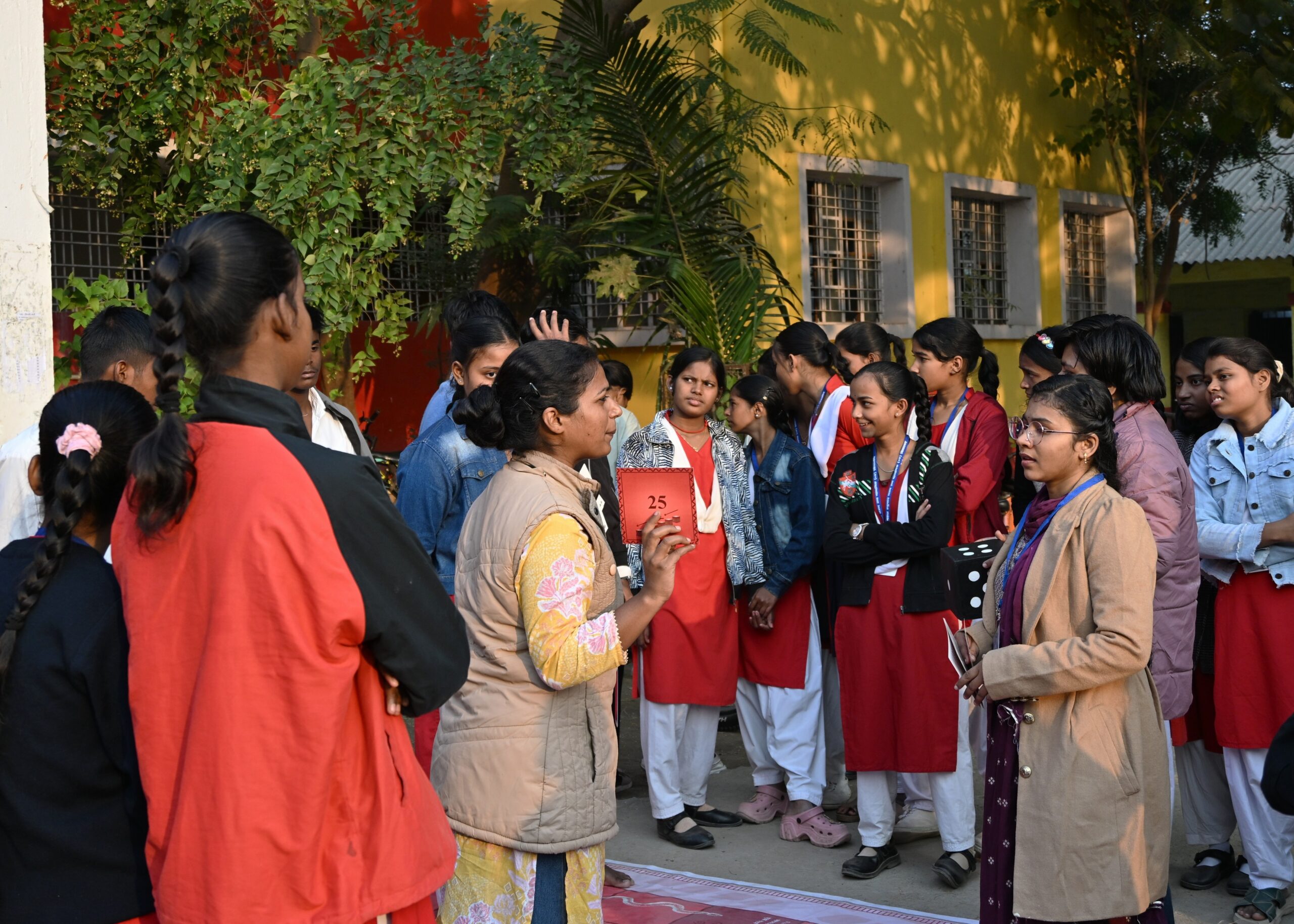
Figure 30. Anupriya and Anjali facilitating the game alongside the students.
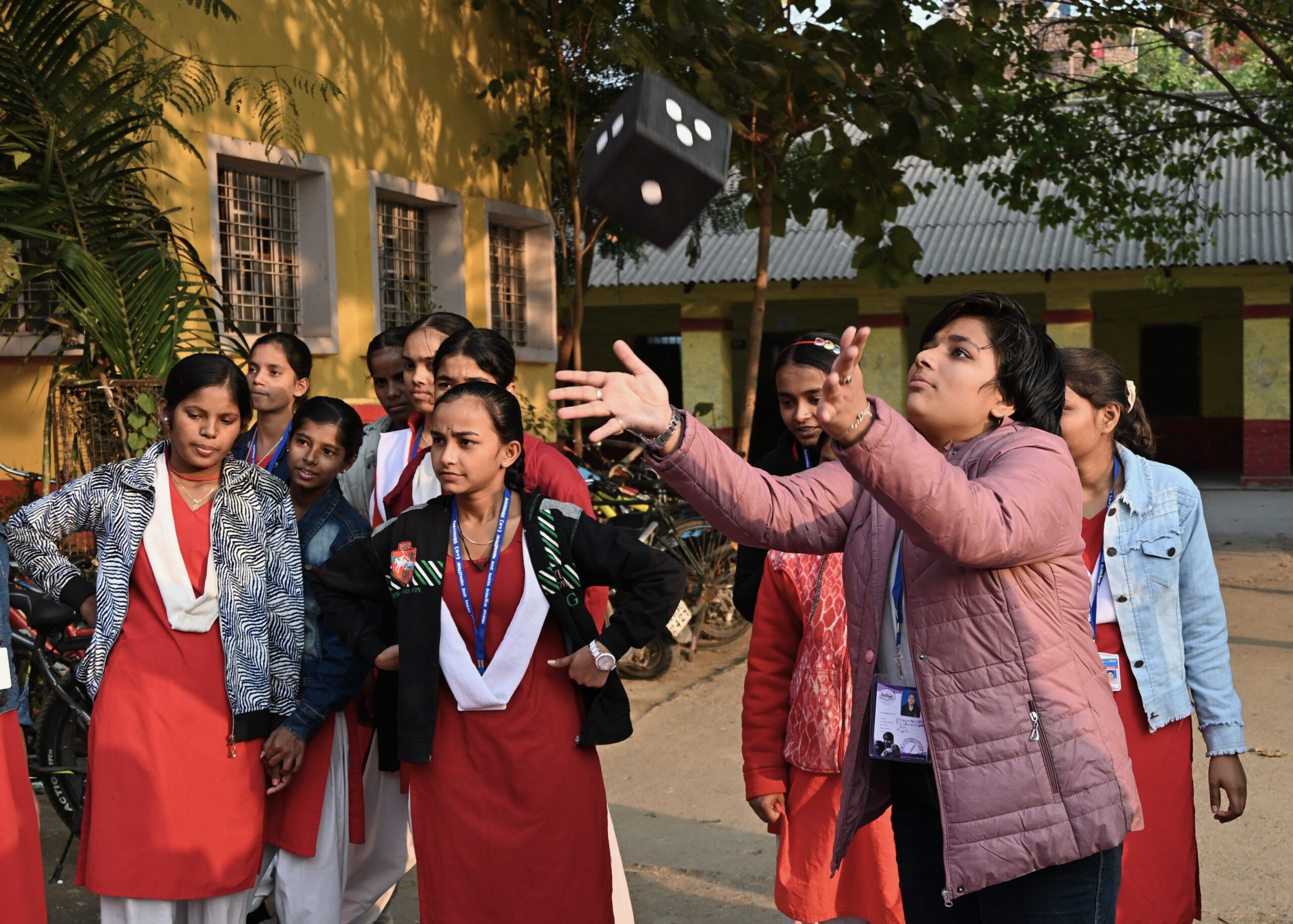
Figure 31. Nayna, a facilitator, rolling the dice on behalf of the players.
As the game progressed, the environment started becoming more comfortable and controlled, which helped deepen the conversations. A girl raised her hand and asked about menopause. Nayna, a facilitator, explained, “It usually happens between the ages of 40 and 55. Periods may become irregular, and the body goes through several changes.”
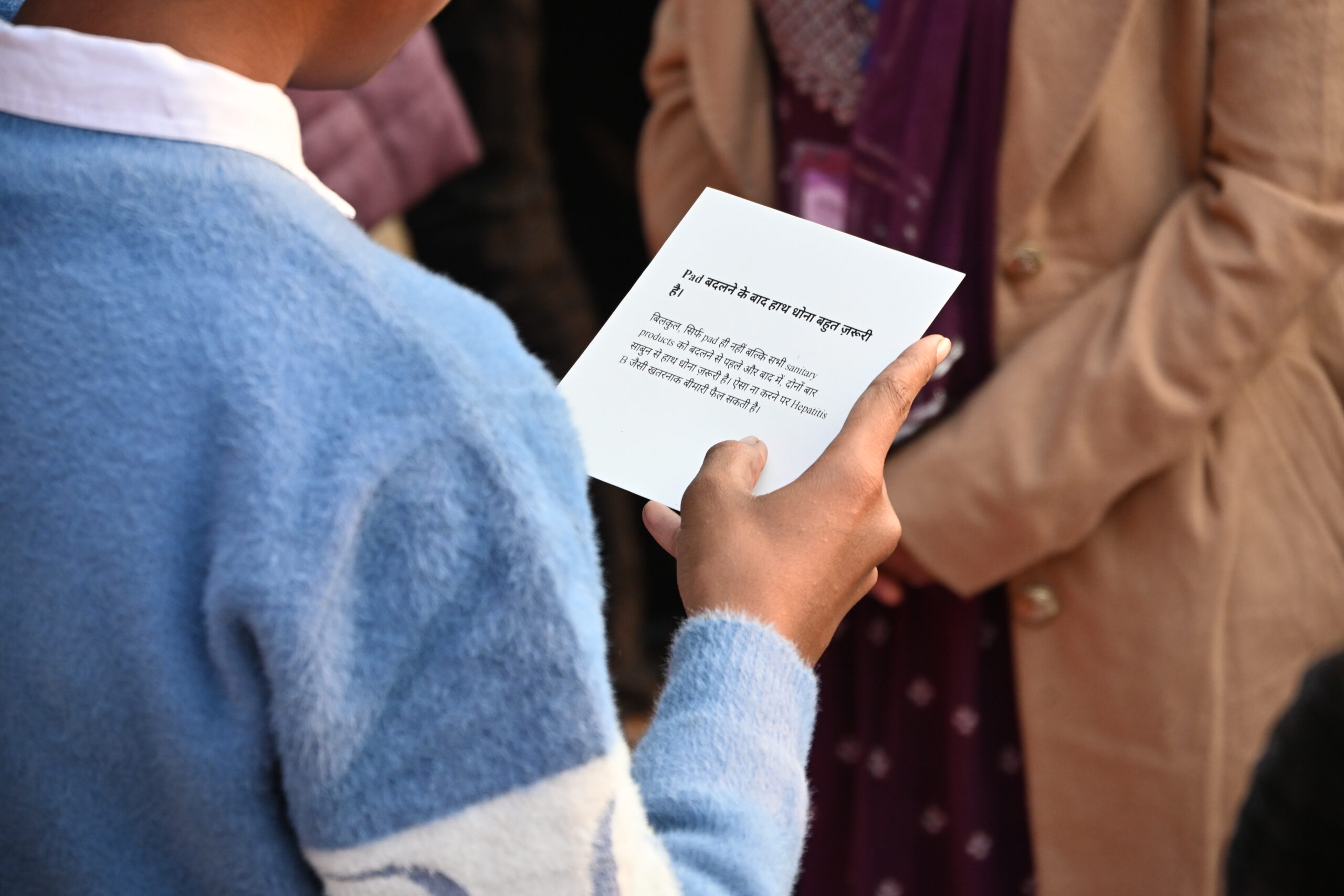
Figure 32. A student reading aloud from a Periodica game card.
Another girl hesitantly shared that while she was allowed in the kitchen during her periods, she was restricted from entering temples. Drawing from the training, Nayna responded, “Article 14 of the Constitution guarantees equality. No one can restrict your movement or access based on menstruation.”
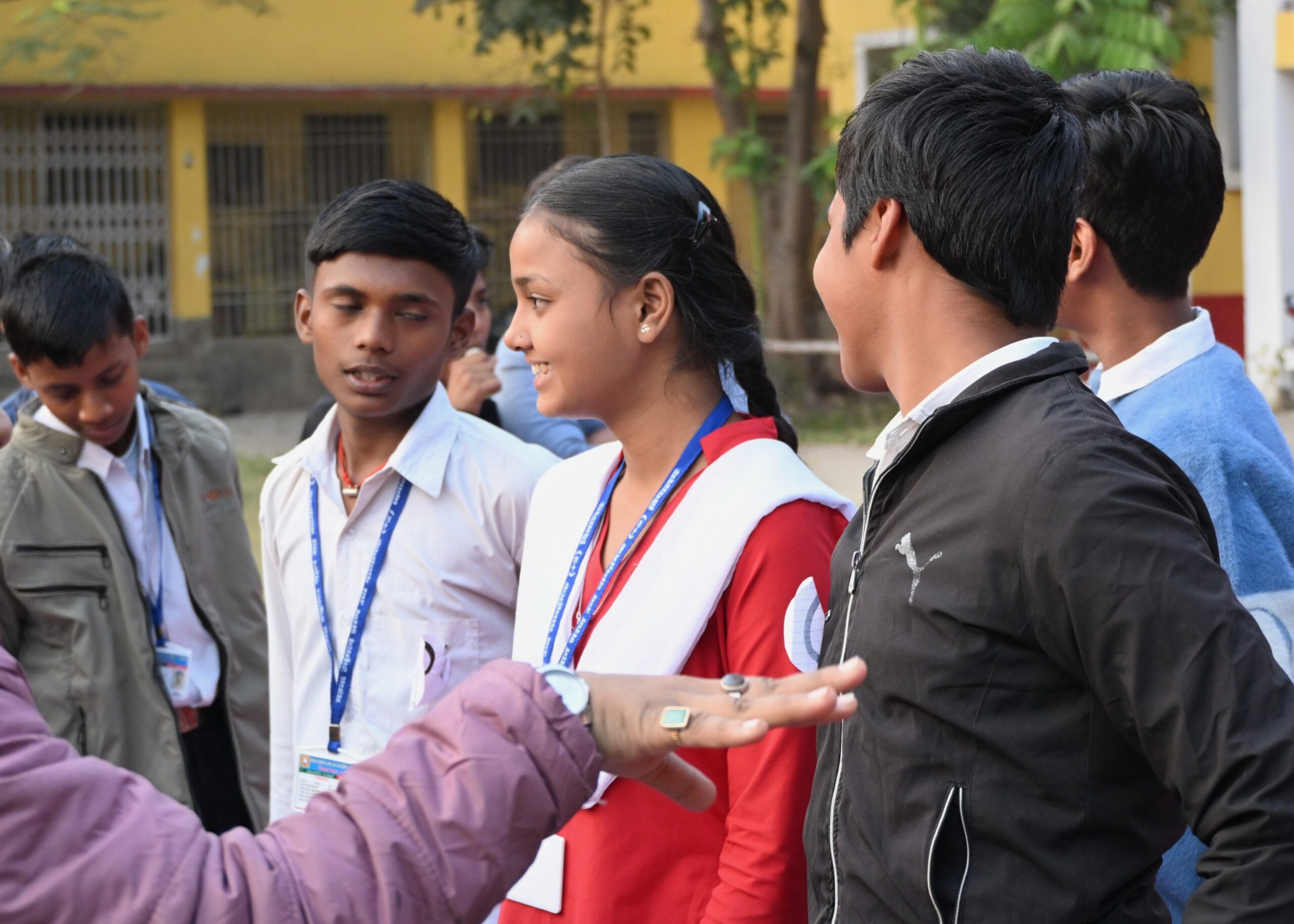
Figure 33. A girl student asking question during the session.
Questions followed one after another. Students asked about hygiene, PCOD, PCOS, and severe menstrual pain. Boys listened, with some asking questions themselves. Anjali, a facilitator, later reflected on why this openness mattered. She said, “It is important to include boys in these discussions as well. They need to understand menstruation so they can support their peers.”
Teachers, too, engaged in the conversation. When one teacher questioned why boys needed to learn about menstruation, Priya responded by explaining that awareness among boys was essential for creating a respectful and supportive school environment.
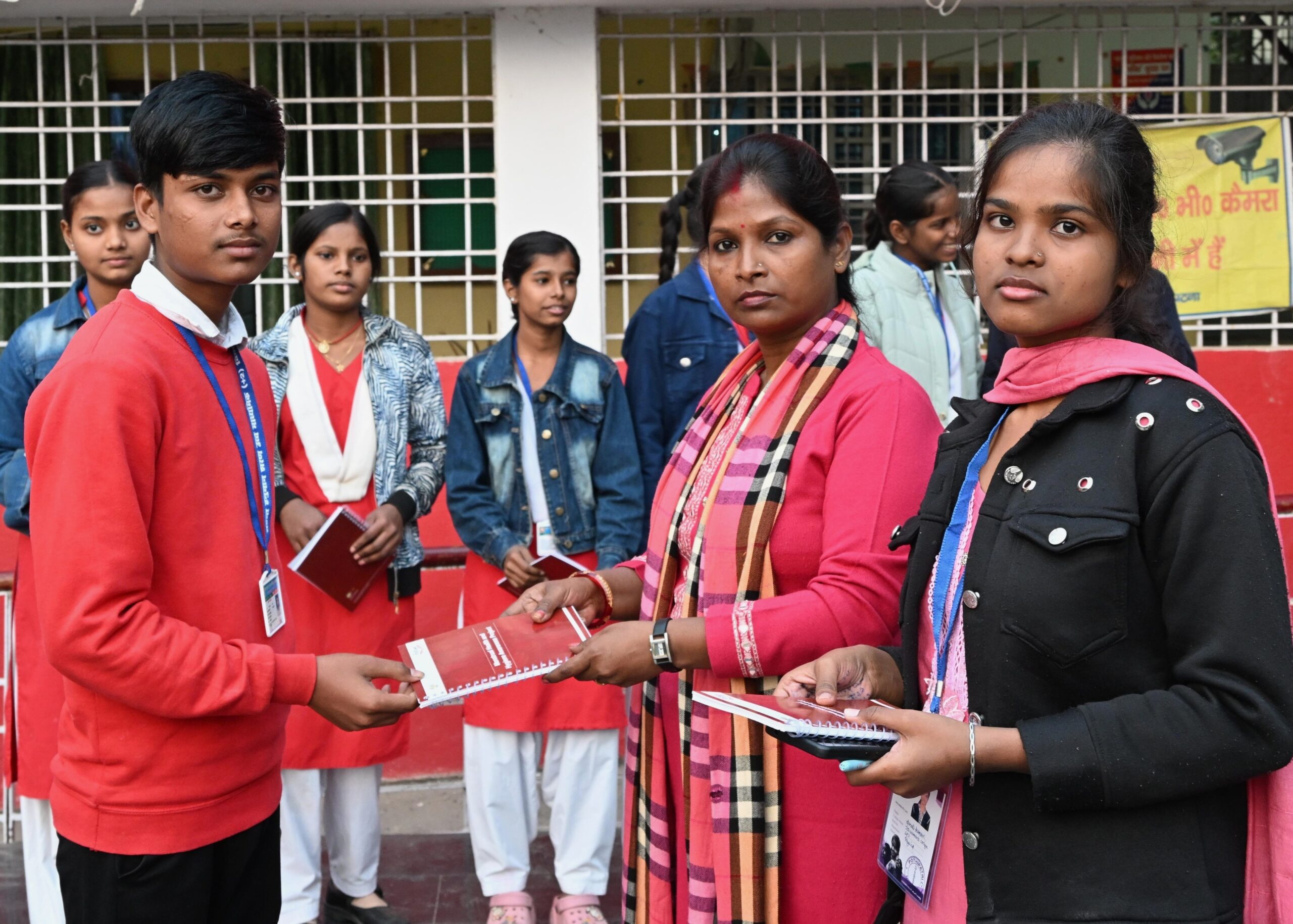

Figure 34. (left) and Figure 35. (right) Facilitators Anshu and Sonam, along with the school principal, distributing diaries to the winning team.
By the end of the session, 43 baseline forms and 41 endline forms had been collected. Diaries and pads were distributed. More importantly, the session reached its conclusion without disruption.
Students and teachers gathered for a group photograph, standing side by side. It became the only complete group photo taken across all Periodica sessions. Unlike earlier days marked by interruptions and abrupt endings, this image offered closure. It captured what the project had been working towards all along: a shared space where conversations around menstruation could exist openly, across genders, with institutional support.

Figure 36. Students, facilitators, and teachers gathered together for a group photograph after the session.
As one facilitator, Abha, reflected, “This session showed what is possible when schools choose to participate rather than intervene.”
Periodica did not just test a game across schools. It revealed that change is not only about tools or formats, but about the spaces that allow them to work. And in this final session, the space was held.