The clock for climate urgency is ticking, figuratively and literally. The New York City Climate Clock, which displays the countdown to the deadline, represents the time remaining before the world crosses over the carbon budget. Currently, the clock shows a digital red countdown of just over 2 years, 339 days to limit global warming to 1.5 °C, as set out in the Paris Agreement. While these initiatives were brought in to inform people about climate change and take constructive actions, ironically, the actual global reality of climate action is counterproductive.
The world’s largest emitter, China, has reiterated time and again that it does not intend to follow the Western ideas for climate neutrality but has set a target to reach “carbon neutrality before 2060”. The United States has officially withdrawn from the Paris Agreement for the second time under the Trump Administration, becoming the only country to do so. Both countries contribute 40.31% to the global emissions, and now, with the exit of one country from the commitment and the reinforcement from another, the focus has shifted to the world’s 3rd largest emitter, India.
In the Nationally Determined Commitments (NDC) for 2031-2035, India has announced the goal of becoming net-zero by 2070 by increasing its non-fossil fuel capacity for electricity generation and by also creating large carbon sinks. In the past, the NDCs had set a 2030 target of a 33-35% reduction in the emissions intensity of GDP and a 40% share of non-fossil resources, both of which have been met ahead of schedule.
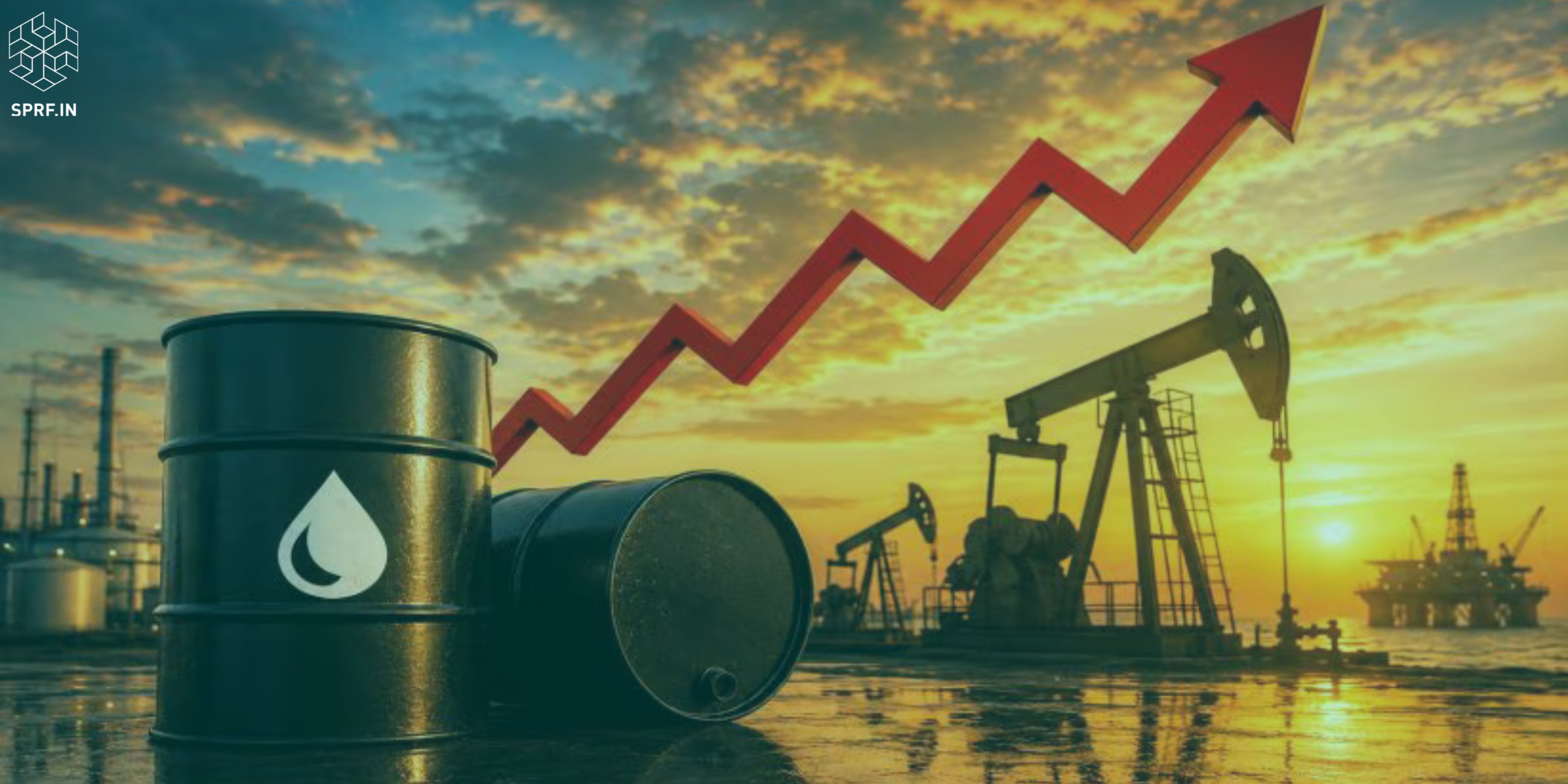
Despite achieving its last NDC targets ahead of schedule and ranking third globally in installed renewable energy capacity, India continues to be rated as “highly insufficient” in its climate actions, facing surmounting global pressure to intensify its goals, reduce its carbon emissions, and phase out coal. This contradiction raises a critical question: can rapid growth in renewables alone put India on the net-zero path while emissions continue to increase each year?
To read the full paper, download the pdf from top right corner